When You read on distant Slavic past, You often encounter mysterious names of people such as Vandals, Tracs, Sarmates, or even Sklavines, Ants or Aryans… But what does this even mean and were they… Slavic?
Were Vandals Polish or Slavic?
Monk Gervase of Tilbury wrote in 1212 that:
“Between the Hunnic Alps and the Sarmatian Sea lies Poland, which—from the River Vandalus, as I learned from its own inhabitants—is called the land of the Vandals.”
Even before that in 8th century the Franconic Chronicle claims that king Pepin marched to Wandaland and Wandals met him. Was it truth?
Actual Wandals were living far back and in different lands, but the error might have something to do with mythical Wanda, queen of Poles.
„The association of the Vandals with vandalism—that is, the senseless destruction of other people’s property—appeared much later. It was used for the first time in January 1794, when Bishop Henri Grégoire described the excesses of the revolutionaries in this way in a report submitted to the Convention (…) referring to the destroying of Rome by the Vandals in 455. „ – writes National Geographic. So were Vandals Polish? Actually, they were not.
Is Sarmatia Poland?
Above we read about Sarmatian Sea. What is that, actually? Sarmatians were the people of the steppe that according to DNA research conducted in Hungary in 2025, they came from around Ural area of Russia and today’s Kazachstan, where they formed around 4th-2nd BC, similarly to equally mysterious Scythians.
Polish nobles in 16th century were under the impressions that their roots must reach that far and You can see Sarmatia mentioned in the area of Poland and Sarmatian Sea as Baltic on the maps from the era. The myth never really died because in the 19th century there was so called Slavic Revival among poets and scholars such as Lelewel, Mickiewicz or Potocki.
Were Poles Lechites?
Above you can see Sarmatia and Polska being mentioned right next to Lechia, but what is that exactly?
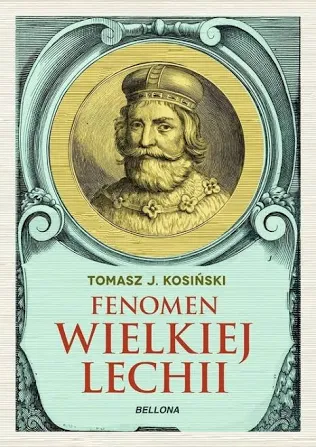
Lechistan or Lechia is a name that was interestingly used from first Polish chronicles (by authors like Wincenty Kadłubek in 12th century), all the way through the centuries and survived up until now as a name of many sport clubs or orgasnisations like Lech poznań or Lechia Gdańsk, yet officialy it is never mentioned.
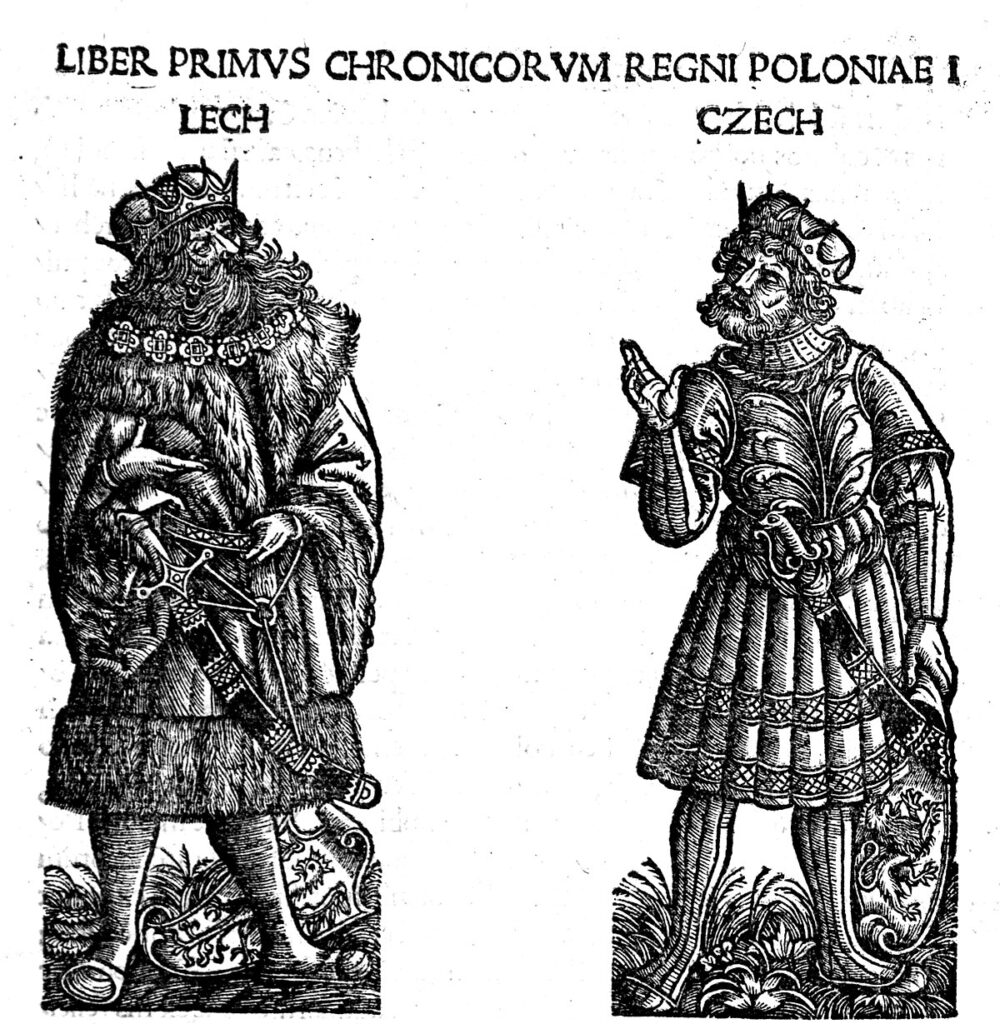
It was funny to watch president’s Andrzej Duda puzzled face when talking to Turkish president, who called Poland Lechistan – as is customary in Persia, Armenia or Uzbekhistan, too. Some of our neighbours use mysteirous Lach, Lenkija or even Lengyelország, as is the case with Hungarians. There is no logical reason for Lechia or Lechistan to exist as a name, but it’s worth knowing that the first mythical Polish king that we discuss in primary school and never again is Lech.
More on him here: Are these common Slavic fairytales about… actual ancient Slavic figures?!
Were Tracs Slavic?
Famous Greek Philosopher Xenophanes writes BC about blue eyed, ginger Tracs who date back as far as 13th century BC. They certainly are the predecessors of Bulgarians, but what does they have to do with Poland? According to one theory Slavic people came here only in 5-6th century in the form of invaders with „the blood of Thracians, Greeks, Dacians, Balts, Avars, Hungarians, Turks, Vandals, Goths, Balts, Ugro-Finnic peoples, Altaians, and many others. „, as Polish Hist Mag puts it.
Were Aryans Slavic?
Another half mythical and somehow controversial term is Aryans. Yes, you-know-who had an obsession about aryan blood and it’s origins in 20th century, but Vedas name Aryan, fair-skinned warriors riding on horses from the north as being a big part of Indian civilisation.
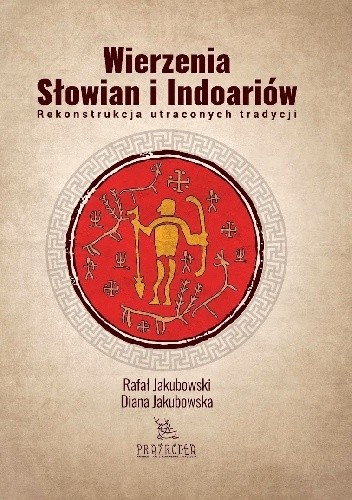
More: https://allslavic.pl/2025/06/19/an-honest-review-of-22-slavic-paganism-books/
Similarly to Sarmatians, Aryans were present throught the Polish history in works of dreamers and historians such as Jan Karłowicz, who writes in 1904 that:
„“But the most exalted and most honorable significance in the history of civilization fate has assigned to our Aryan stock. „
Were Sklavines aand Ants Polish?
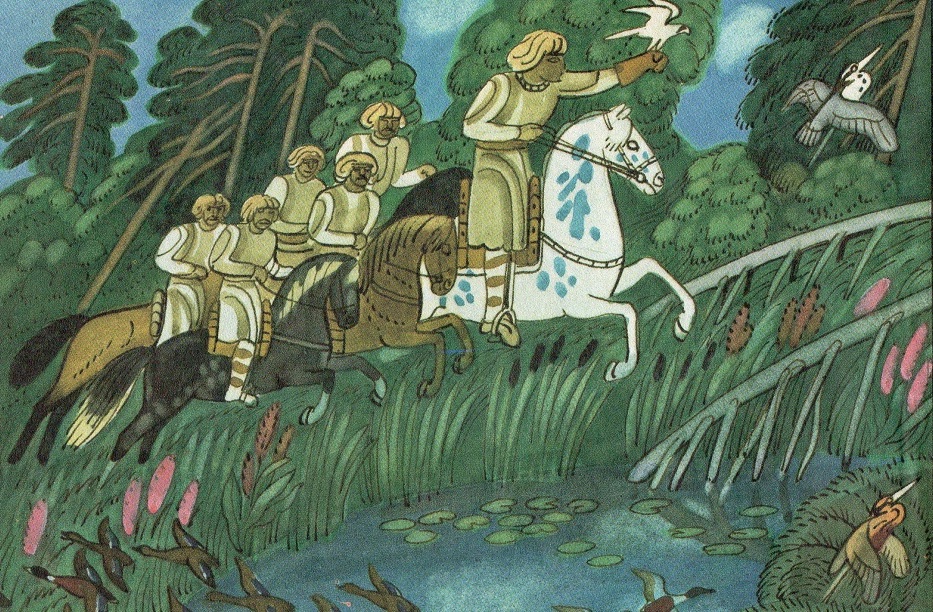
Old Bysantine sources name also Sclavines as Slavic tribes living between the Dniester and the Danube and the Tisza, in the territories of present-day Romania, Moldova, and partly Ukraine and Hungary, as distinct from the Antes inhabiting the Dnieper basin from 6th century. Then after they invasion on Western and Southern lands roman chronicle Getica claims that some of them went
„as far as Wistla, where they have swamps and forests instead of cities”.

Then Nestor chronicle writes around 11th century that
„These Slavs, having arrived, settled along the Vistula and called themselves the Lechs; and from those Lechs some were called Polans, others Lechs the Lutici, others Mazovians, and others Pomeranians. „
So does that answer the questions? Were Polish people Sklavines or Ants at least, if not Lechites, Wandals or Sarmates? Intrestingly after all this years we still speculate.
The sources are scarce. The will is not always there. Some of the theories above are openly mocked (liked Lechites and Aryans), others are not really that ”hot” to be inspected further. Because what if Poland in fact have some Sklavinian roots?
If You start to dig, You’ll realise that there is a depiction of a blonde haired, blue eyed warrior in ancient Chinese tomb, and even burials like Cherchen Man with reddish brown hair, high cheekbones, long nose and a ginger beard, measuring 178 cm which was a lot for 1000 BC or the famous lost tribe living still in modern day Pakistan and Afganistan. There are many more mysteries like that and this is just one of them.