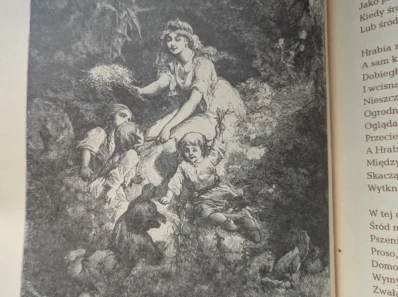
If You are into cryptozoology of Slavic lands or Polish so called „living folklore”, there are a few sources You can delve into:
- first would be legends, myths and tales, like the one of Wawel Dragon. These are widely available, but You have to know what You are looking for to pay attention.
- secondly historical accounts of encounters with mysterious creatures, like the one accounted by Arnošt Vašíčka in his book „Planeta záhad“ from 1998 about dragons from… Rabka Zdrój, in modern day Poland.
- Lastly there are modern-day enthusiasts who capture UFO and crypto zoological stories. You can listen to such tales in „Radio Paranormalium” on Youtube or read books such as „Tajemnice Dolnego Śląska, Ufo i Niewyjaśnione zjawiska” by Damian Trela.
There are intersections between these three types of sources and some fall into multiple categories.
But now without further ado lets read on Polish cryptozoology, starting with Yeti and other big apes.

Was there ever a Polish Yeti?
Leonard Pełka in his „Folk Demonology” writes about „wild women” coming out of the forest in mountains in deep South of Poland, switching babies and leaving their „ugly, furry” babies instead of human ones. This sparked my curiosity.
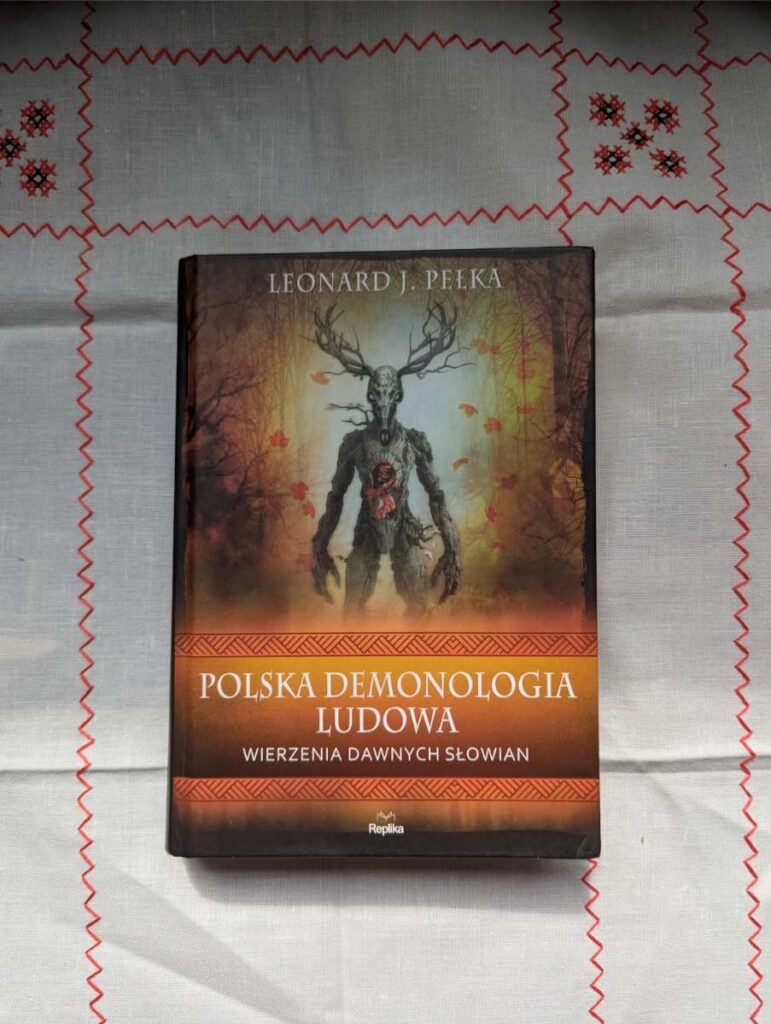
I am not saying that any Polish Yeti lives around us till today… but I think it is possible that „mamuny” and „wild women” accounts like that could be a distant echo of the past where perhaps in the 1500s or 1700s there indeed was one „woman” like that left somewhere in the wild?
Interestingly enough:
“the Ukrainian borderlands the boginka or mamuna was called a monkey (małpa) , a boginka who abducts children’, Ukrainian mavpa ‘boginka, mamuna’), W. Budziszewska proposes yet another etymology of mamona, mamuna: from the Old Russian mamo ‘monkey.’ In Old Russian (from the 15th century), mamona ‘monkey’ is a wandering loanword from Turkish—Turkish maymun [from Arabic maimun ‘ibid.’; in Arabic the word is a euphemism, literally ‘happy, bringing happiness,’ because there the monkey was regarded as the devil—the Arabic word came from Persian, where it meant ‘unclean force’ (Bulgarian Etymological Dictionary III, 617)]. In medieval Latin there were mammones ‘simiae, monkeys.’
A “Sibibela” around Piotrków County: “Misshapen female spirits, repulsive hags. All evil, venomous, monstrous, naked, disgusting, with corpse-blue bodies and twisted faces. On crooked legs they carried crooked bellies and breasts like empty sacks. In the evenings they would sit on the mound [on a small island located by the shore of the pond—note by R.D.], swing on the branches, and howl piercingly, filling the entire village with indescribable fear. The greatest anxiety seized mothers for their children. If one carelessly left her child unattended, a ‘Sibiela’ would immediately appear and take it, throwing in its place a monster, a cripple.”
“They walked naked, resembling women, very ugly, hairy, with eyes shining like lanterns, with loose black hair and immensely long breasts—so long that they could throw them over their shoulders and beat laundry with them while washing, instead of using washing paddles. From afar one could often hear how the dziwożony were washing by the stream (Przerwa-Tetmajer 1906, pp. 9–10).”
„
Traces of the Polish dragon
While accounts of „Polish Yeti” are rare, it’s quite easy to come by stories of dragons and giant snakes, starting from Zhmiy of Eastern Slavic folklore and going all the way to almost modern day Tatra mountains, where there was supposed to live a „King of Snakes”.
Less-known accounts from the Beskid ranges were of dragons that walked on two legs and killed local animals, and these stories persisted even into the 20th century!
Interestingly, actual dinosaurs’s bones were found near Świętokrzyskie mountains in Poland, around 200 km from Rabka-Zdrój. Could the „Rabka dragons” be some distant echo of actual creatures, or maybe some bones or traces sparked these stories first in the distant past?
Dwarves of Poland and beyond
Stories of various trolls in Skandinavia or Kobolds in Germany are actually what sparked „Snow White and the Seven Dwarves” or Tolkien’s dwarves in the first place. And what about Polish dwarves?
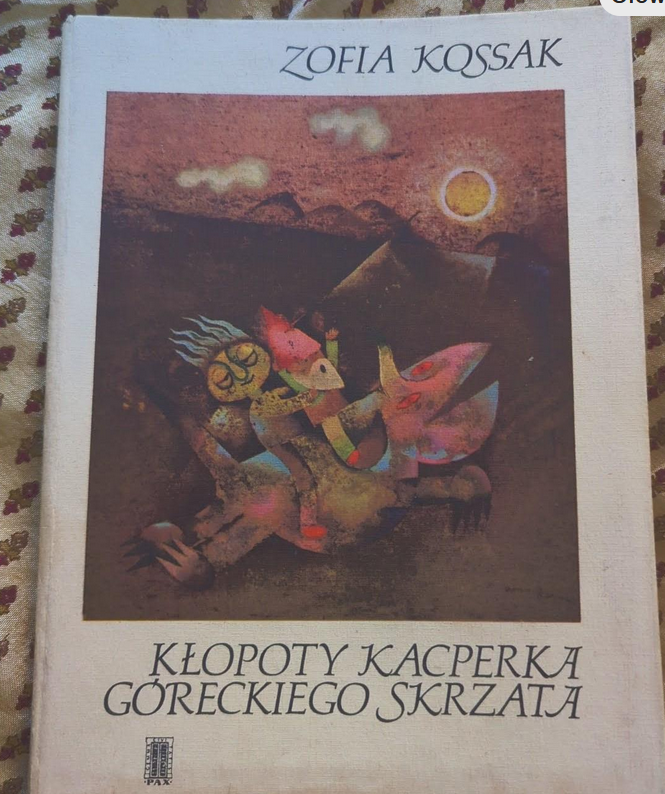
The stories are plenty and going way back, from first accounts of „house dwarves” from present day Belarus and Lithuania from as far as 1600s.
There are also one of the most popular creatures in so-called living folklore; stories of „small people wearing hoods in the forest” can be found in esoteric magazines or books even now (there is one such story in Damian Trela’s book and many more in Radio Paranormalium podcasts).

Sources:
Renata Dźwigoł Polskie ludowe słownictwo mitologiczne, Krakow 2004
Leonard Pełka, Polska Demonologia Ludowa,1987
Arnošt Vašíčka,Planeta záhad ,1998
Damian Trela., Tajemnice Dolnego Śląska, 2020