Are these common Slavic fairytales about… actual ancient Slavic figures?!
updated on
Polish history officially begins around 960 AD, yet children in primary school read stories of the wise Queen Wanda and her father Krak, Piast Kołodziej, Popiel, and of course, Lech, Czech, and Rus. There are many more characters and creatures in Polish, Czech, or Ukrainian fairytales who might be more real than you’d think. Here, we focus mostly—but not exclusively—on Polish tropes from the most well-known Slavic fairytales.
Classic Polish Fairy Tales with Forgotten Ancient Slavic Roots
While selling vintage Slavic fairytales in my AllSlavic shop, I often find myself wondering: Where do these stories come from? What do they really mean? It turns out that many of the most well-known Polish fairytales have surprising ancient Slavic roots.
Hansel and Gretel is a well-known story by the Brothers Grimm. They collected their tales mainly in central Germany—but did you know that areas likeBrandenburg or the Eastern German coast were Slavic 1,000 years ago? So, the roots of some of these stories might not be German at all.
Back to Hansel and Gretel: the witch in the story is clearly a cannibal, eager to eat innocent children. In the Polish version, the witch is always Baba Yaga or Baba Jędza, and the children are Jaś and Małgosia. But who is Baba Yaga?
Andreas Johns, in his monograph “Baba Yaga: The Ambiguous Mother and Witch of the Russian Folktale,” states she is “one of the most characteristic and memorable figures of East European folklore.” She typically appears as an old, ugly woman with a hooked nose, long chin, and bony legs. She lives in a peculiar house on chicken legs and is often accompanied only by a cat or crow. Johns concludes that Baba Yaga is often seen as a witch, deity, or demon.“
Jarosław Krzyżanowski, in his Słownik Folkloru Polskiego, also mentions “Jaga Maga,”
“an unknown character from old Polish sayings dating back to the Middle Ages.”
O Wandzie, co nie chciała poślubić Niemca
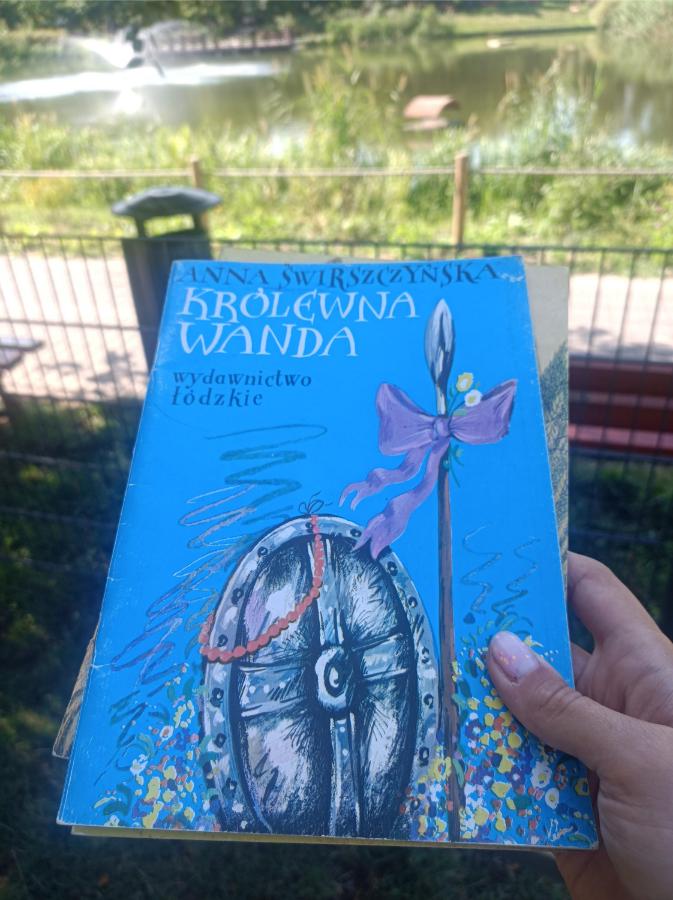
Every Polish child knows the story of Queen Wanda, daughter of King Krak. She was loved by her people but refused to marry a German prince—so she drowned herself in the Vistula River.
The only problem? According to historians, Queen Wanda never existed. But since official Polish history begins in the 960s, there’s plenty of room before that for a legendary pagan queen.
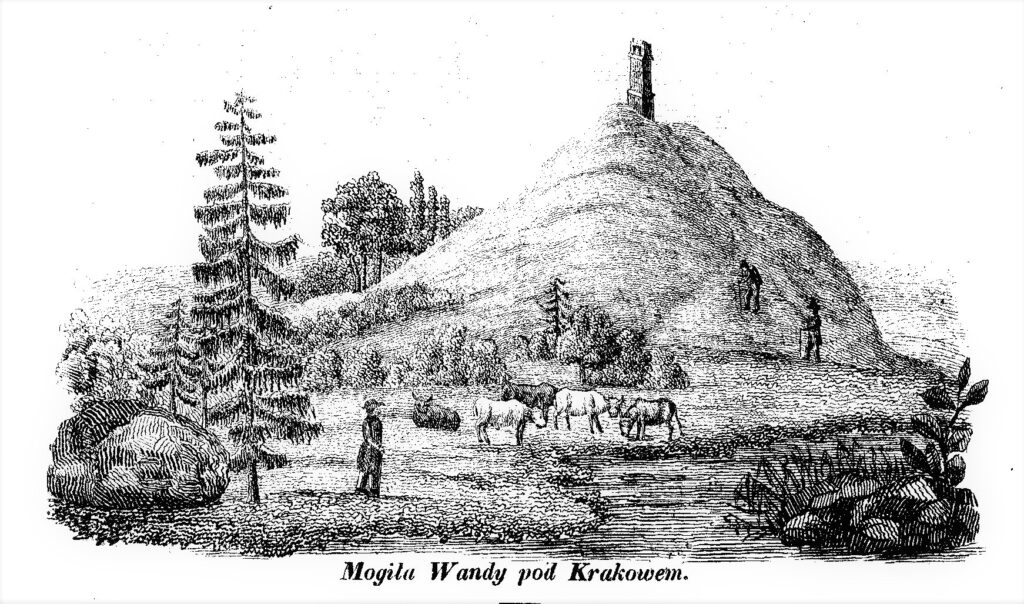
There’s even a Wanda Mound in Kraków, next to King Krak’s hill, dating back at least to the 6th century. Archaeologists found the roots of a huge oak tree atop Krak’s hill—and oaks were sacred to the Slavs.
And there’s more. Quoting an interview with astronomer Prof. Władysław Góral:
“The sunrise over Wanda Mound can be observed from Krakus Mound on May 2 and August 10. And the sunset over Krakus Mound? November 4 and February 6… These dates divide the year into four roughly equal parts, and between them lie key astronomical events: – March 20: spring equinox – June 21: summer solstice – September 22: autumn equinox – December 21: winter solstice.”
Interestingly, the Czechs have a mythical ruler named Krok, first mentioned by historian Cosmas in the 10th century. Krok was said to have three daughters who appear in another Czech myths. Historians have dated his death to 709. In Czech legends, Krok was a son of Czech—the legendary brother of Lech and Rus (more below).
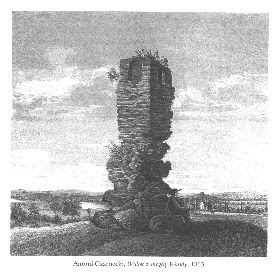
Ancient customs still take place on Wanda and Krak hills, such as Rękawka, a celebration that includes rolling down the hill or rolling eggs—traditions with pagan origins. Old pictures even show a statue atop the hill, and 1800s sources just calls in “the Wendy’s grave”.
But officially? Wanda didn’t exist. It’s “just a story.” (You can buy a book of Queen Wanda legends here.)
O Popielu, którego zjadły myszy – The King Eaten by Mice
Another legendary tale: King Popiel, who was eaten alive by mice. The legend was recorded in the Middle Ages by Gallus Anonymus and later by historian Jan Długosz, who claimed that Popiel lived in the 800s and moved the capital from Kraków to the small settlement of Kruszwica.
Interestingly, Kruszwica is home to the “Mouse Tower,” built in the 1300s—though it may stand on the site of an older structure. Kruszwica sits on the shores of Lake Gopło, known from myths dating back to pagan times, including the story about the water spirit Goplana, written by our national poet Juliusz Słowacki.
Piast Kołodziej
Another figure well-known from children’s books is Piast Kołodziej, founder of the Piast dynasty, which produced Poland’s first historical prince, Mieszko I. Both “Piast” and “Kołodziej” relate to the wheel—”kołodziej” means “wheelwright.”
Officially, he may not have existed, although historians take him more seriously than Popiel or Krak.
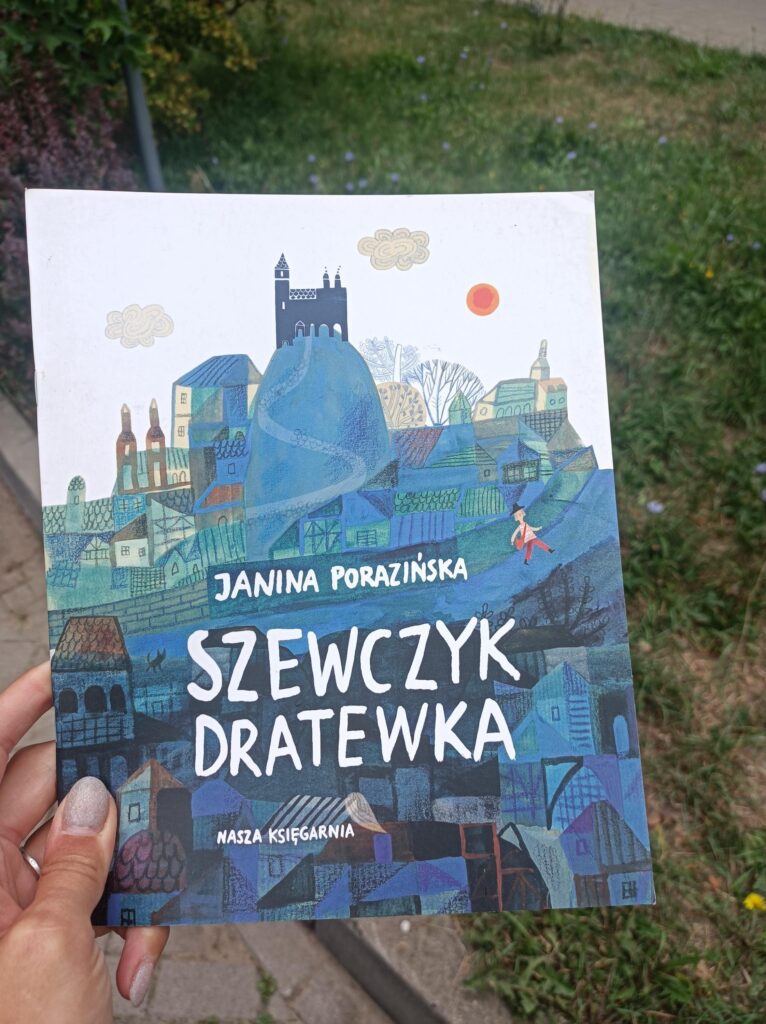
O Szewczyku Dratewce
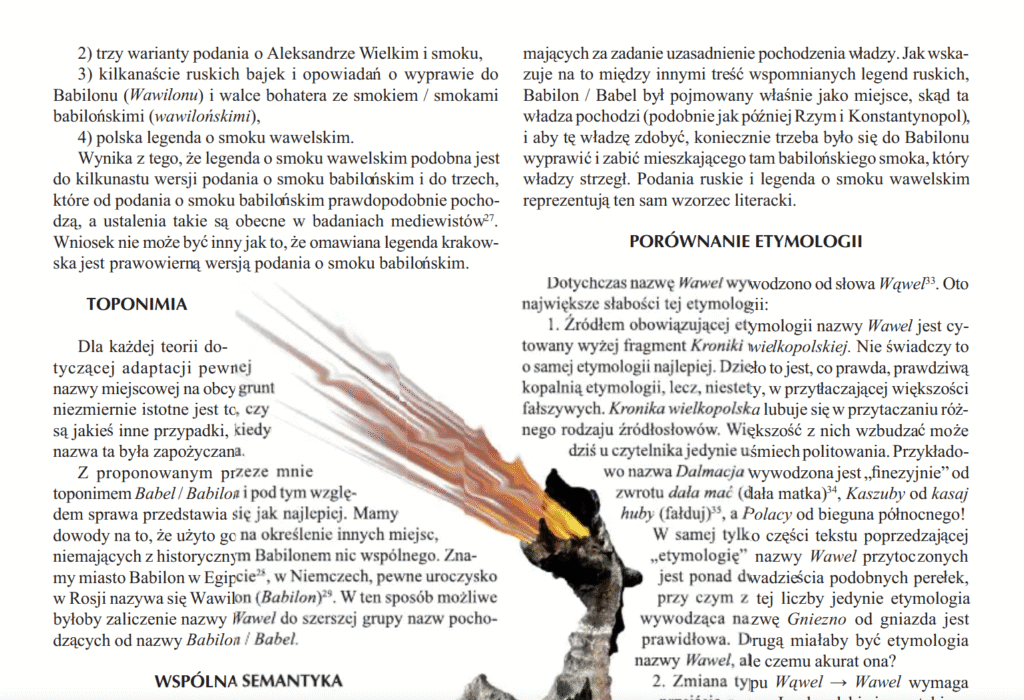
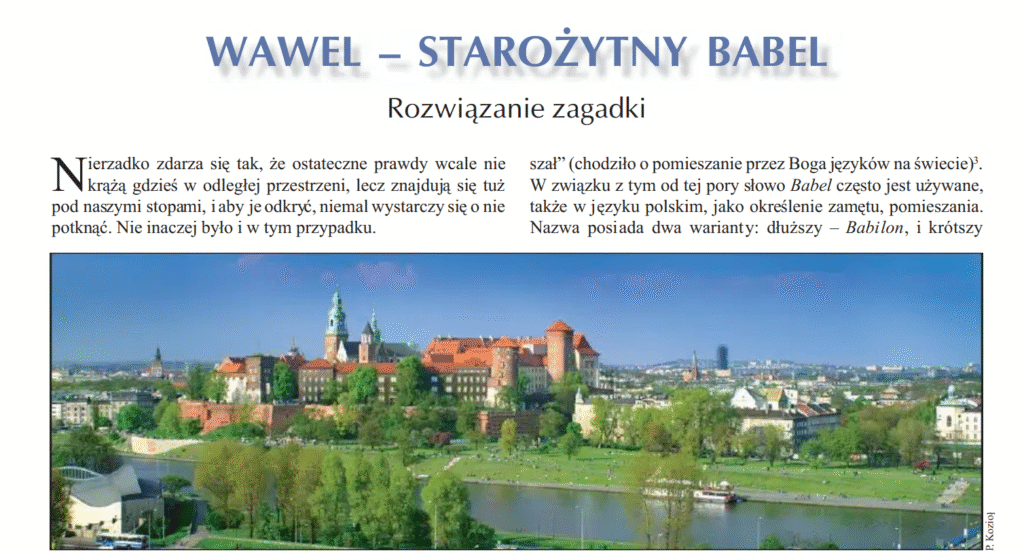
Another “silly little tale” is about a shoemaker named Dratewka, who supposedly killed a dragon living in a cave near Kraków’s Wawel Hill—during King Krak’s time. (Yes, the cave exists.)
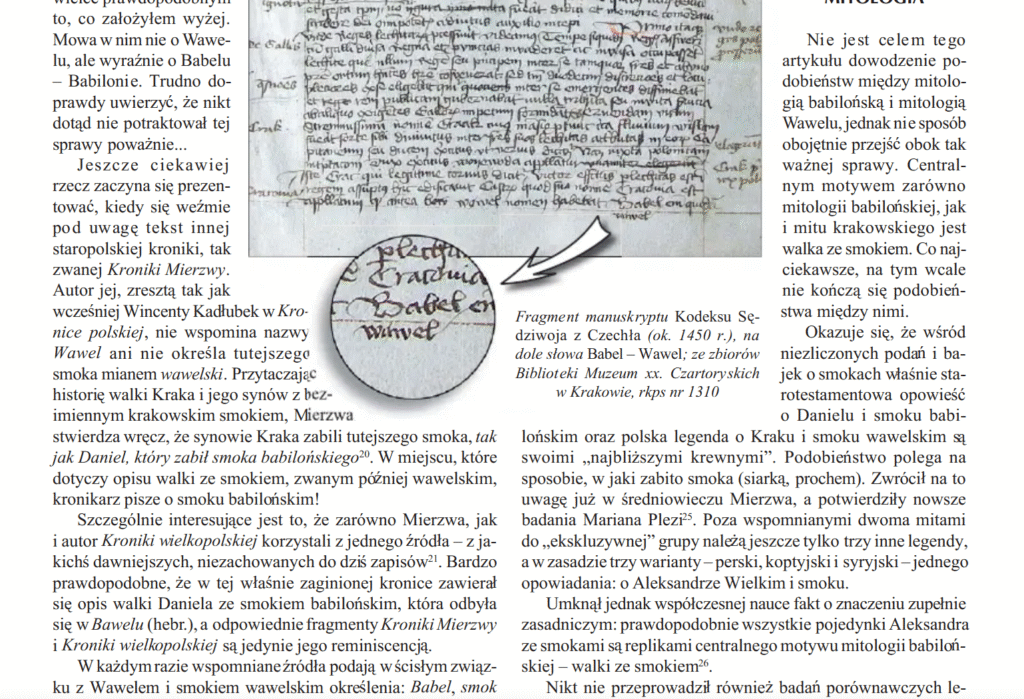
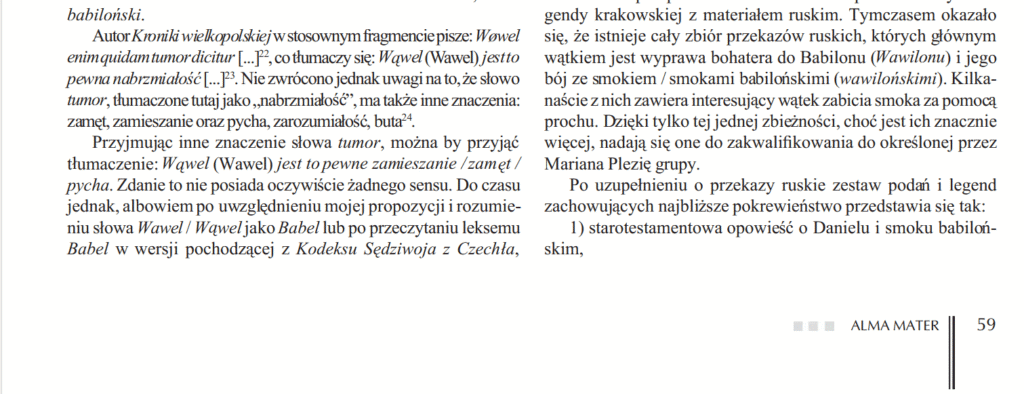
I once read an academic paper drawing fascinating parallels between the Babel tower and Wawel Hill, as well as an old Persian story about a dragon and the Polish Wawel dragon legend. The paper disappeared online, but thankfully someone uploaded it again—I took a screenshot just in case 🙂
Stories like Hansel and Gretel or the Wawel Dragon often feature themes common across India, the Middle East, and Europe—possibly based on forgotten real events.
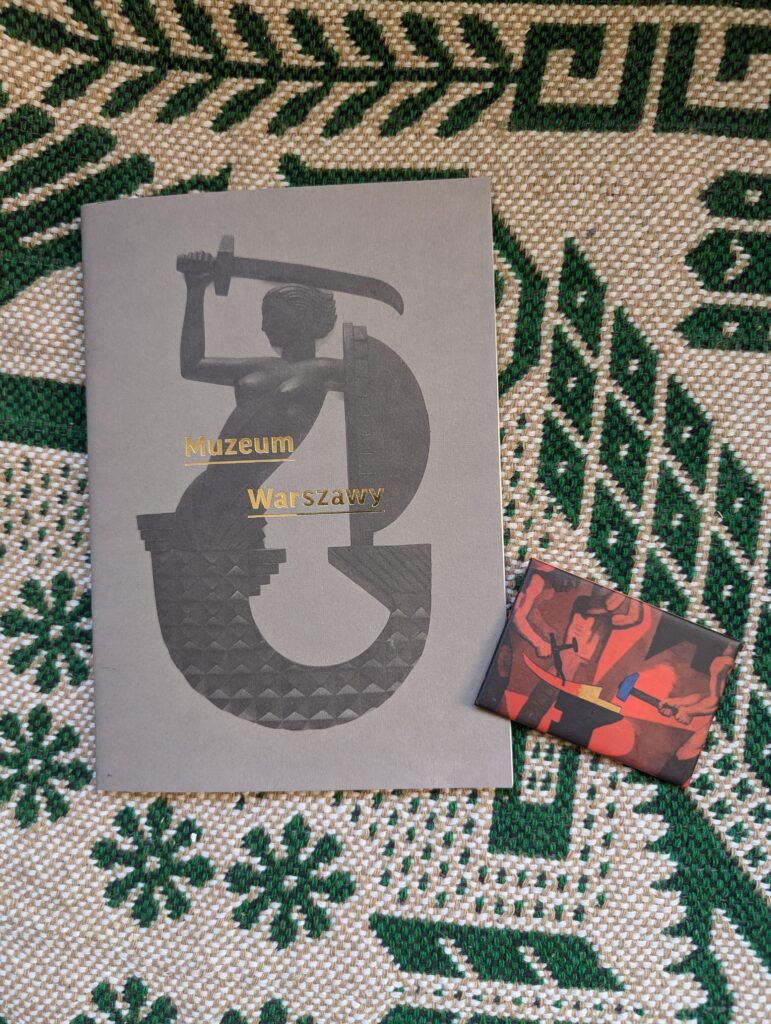
O Syrence Warszawskiej – The Warsaw Mermaid
Equally intriguing is the story of the Warsaw mermaid.
Viewed through different lenses—gender studies or even cryptozoology—it becomes even more curious. Some say there were two mermaids in the Baltic Sea.
One swam to Copenhagen (where Hans Christian Andersen later wrote The Little Mermaid), and the other to Warsaw—though I’m not sure how she would swim upstream for hundreds of miles!
A famous legend tells of knights sleeping beneath Giewont Mountain in the Tatra range.
Massive warriors in shining armor await the right moment to awaken and fight for a noble cause. Similar stories exist across the world—some link them to the ancient tales of giants.
Lech, Czech i Rus
Perhaps the most mysterious Slavic legend is the tale of three brothers who lived on three hills connected by a bridge.
When their sister betrayed them, they set out to create new kingdoms: Lech founded Poland, Czech founded Czechia, and Rus founded Rus (not Russia, as a friend once pointed out to me).
It’s a touching reminder of kinship among the Slavs. Jarosław Krzyżanowski notes in his 1961 Słownik Folkloru Polskiego that in older versions, only Lech and Czech were mentioned. The story is also known in Czechia. Meanwhile, Ukrainians tell a founding legend of Kyiv involving Kyi, Shchek, Khoryv, and their sister Lybed. That story is dated to the 5th–6th centuries. Kyi started Kiev, and other brothers went on to found Czechia and Croatia.
And considering Krak and Krok may have lived around 700 AD, the timing fits intriguingly well.
Similar legends exist in the Balkans, I’ve heard.
Also: did you know modern Persians and Turks still call Poland Lechistan? You can even hear it in a conversation between the presidents of Turkey and Poland.
For centuries, poets called Poles the “sons of Lech”—a title that today mostly survives in children’s books.