If you’ve ever looked up traditional Eastern Slavic embroidery (Russian, Belarusian, Ukrainian), you likely came away from the experience with a head full of profound symbols and ancient meanings. But when you delve into Polish folk art patterns, there’s often a sense of disappointment—there seems to be no special meaning behind them… or is there?
Traditional Polish Leluja

The first motif that comes to mind is the traditional paper cut-out from the Kurpie region, known as leluja. In most official sources, it’s described simply as a tree or a bouquet. But even those sources offer subtle clues:
According to the Kurpie Museum in Ostrołęka:
“These representations can be seen as references to the archetype of the Tree of Life – a symbol of eternally reborn nature, as well as a place connecting the divine world with the human one, where extraordinary phenomena could occur.”
One especially popular motif is the leluja featuring two roosters or other birds perched on top.

Interestingly, the traditional Slavic creation myth includes God and the Devil sitting as… two birds atop the Tree of Life. As iss pointed out on a website of Museum of Radomian Village:
“Equivalents of the World Tree were used as props in many annual and family celebrations, such as welcoming spring, Christmas, or weddings. Symbols of the Tree were marked on cottages, everyday objects, clothing, and ceremonial bread. After Christianization, Slavic folk culture accepted the Cross as another form of the World Tree, connecting the underworld, earth, and heaven. The cross began to be depicted as a tree or was often combined with plant motifs.
(A world beginning from a tree is a common mythological theme—see the Scandinavian Yggdrasil or the shamanic trees of Siberian cultures.)
But how would such a myth survive until the first wycinanki were made in Kurpie in the 1850s? There is a Carpathian song written down by Aleksander Afanasyew in 1860s:
“At the beginning of the world
There were two doves sitting on the oak tree
among the sea”
There are similar stories of world creation found in Poland by Oskar Kolberg around the same time. After the creation of the earth, God and the Devil took the form of birds. Sitting on the Tree of Life, they created the Sun, Moon, and Stars from sand taken from the bottom of the sea.
“A Woman with Roosters”
The “Woman with Roosters” motif is wrapped in even deeper mystery. What I’ll share below is purely my own speculation.
When you look at old depictions of goddesses across various cultures, a familiar pattern often emerges: a woman holding two birds, horses, or snakes raised in her hands from Minoan Krete to scyths to India:
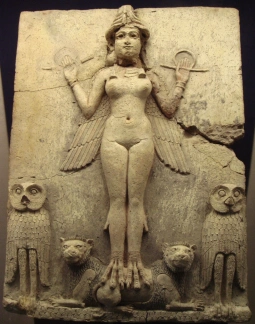
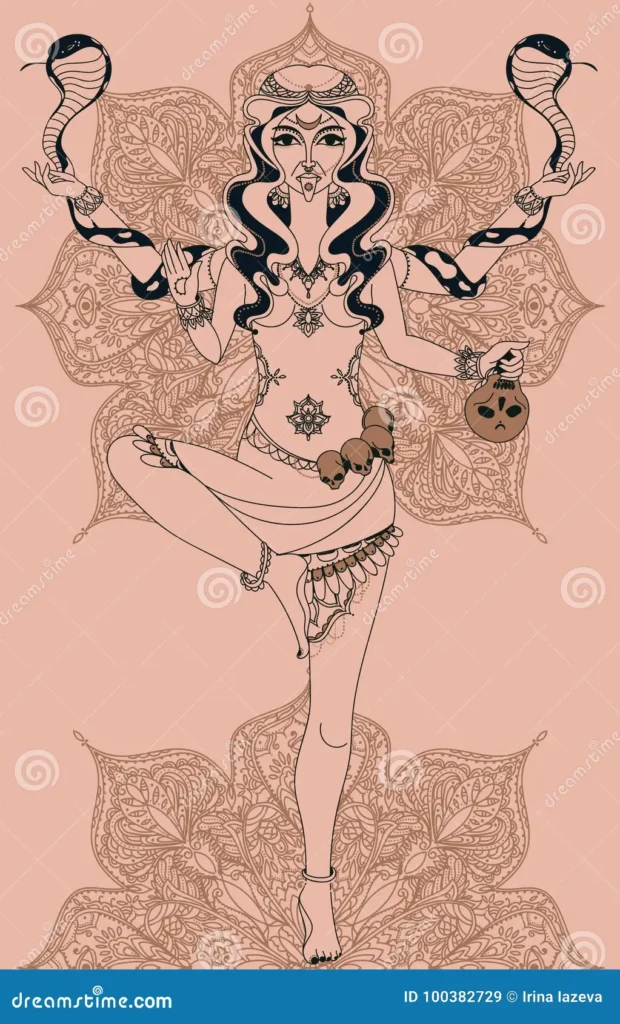
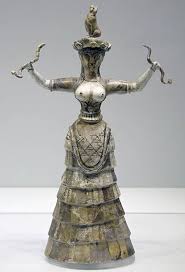
It was also common in slavic countries:
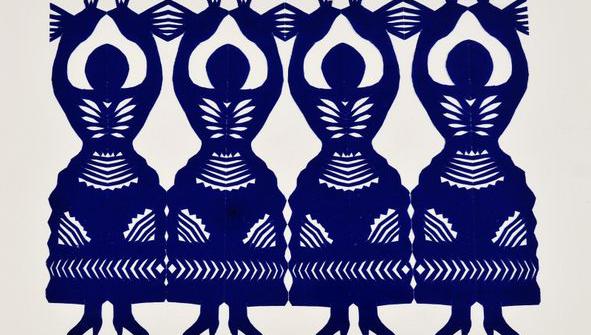
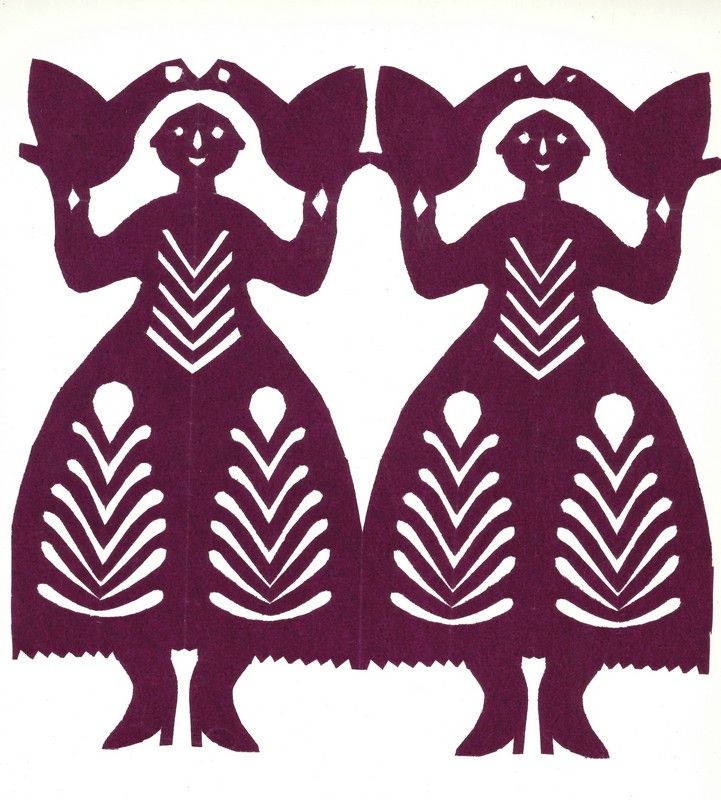
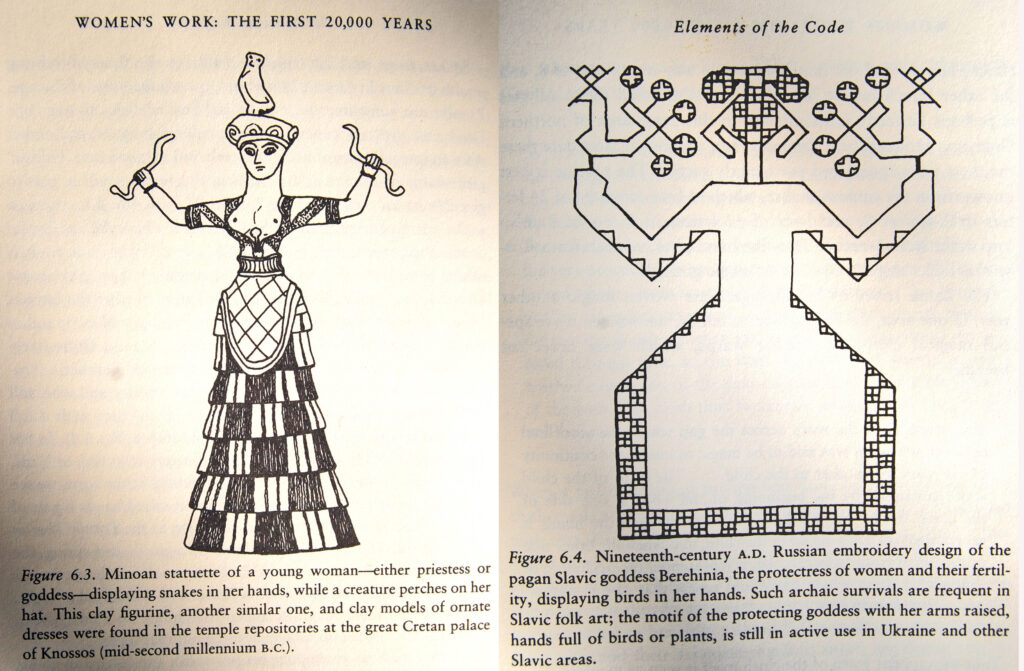
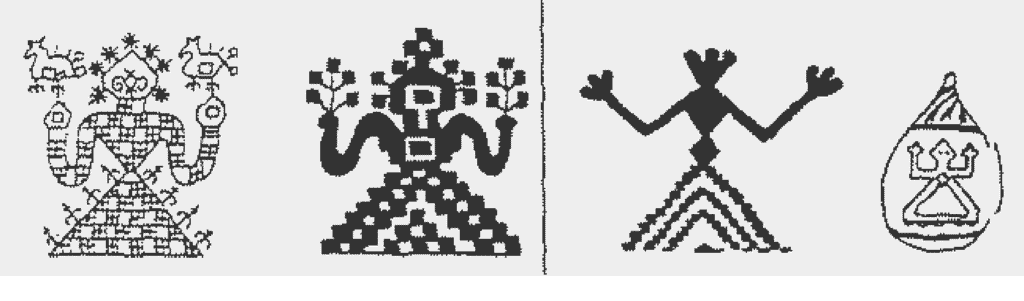
What does this mean? Is it just a coincidence? Is it Mokosh? I invite you to explore this further on your own. So far, I haven’t found any solid theory. Still, the fact remains: the Woman with Birds remains one of the most iconic motifs in Polish paper cut-outs—and it’s unlikely to be a depiction of any common everyday situation. So what is it?
Pająki Ludowe
At first glance, pająki ludowe (traditional straw mobiles) may appear to be nothing more than charming folk decorations found in Polish and other Slavic homes. But there’s more to them.
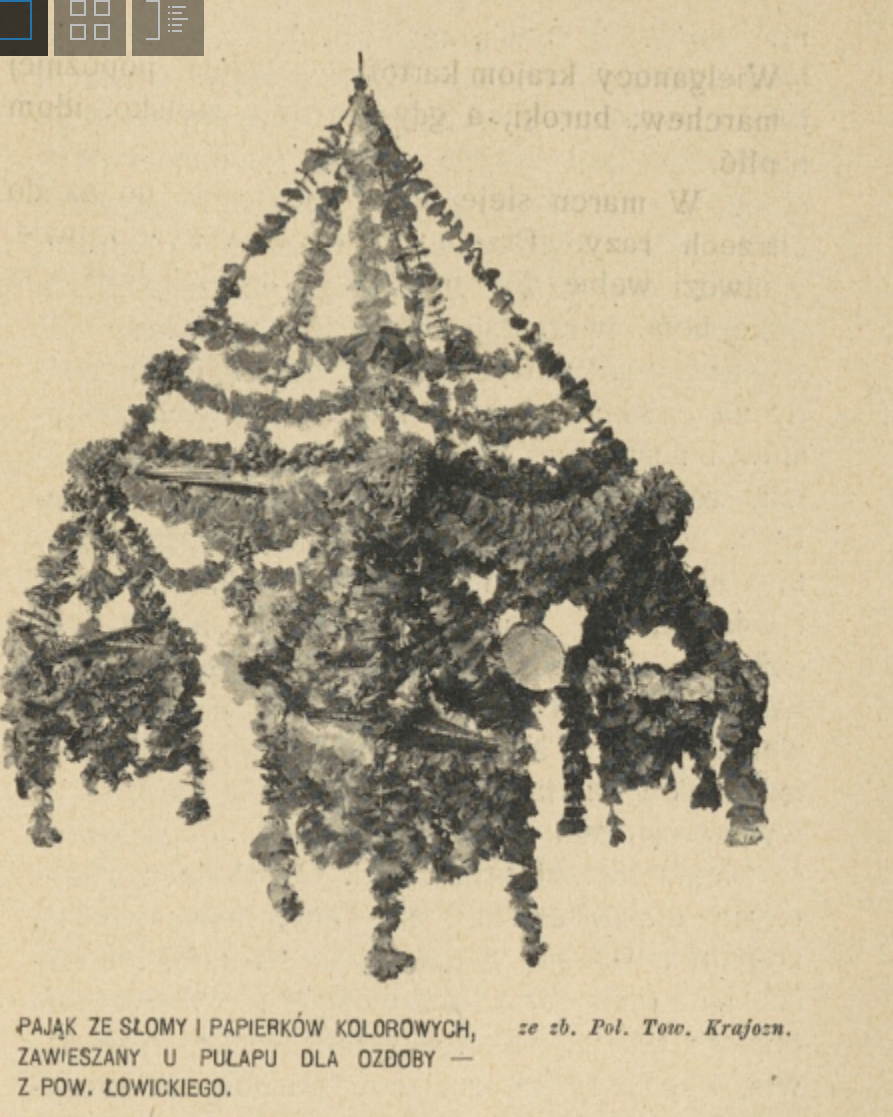
Karolina Merska, one of the most well-known contemporary artists and researchers of the subject, has explored their deeper cultural and symbolic significance and said in an interview (that I can’t find at this moment:) that it could depict a cosmos.
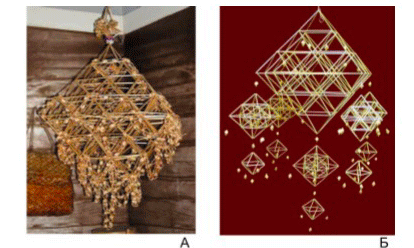
There is also a lot of material on this topic in Russian sources, some of which even link pająki to the concept of Vimanas from Indian mythology and explore perspectives we often miss in Poland.
Perunica
The final form of traditional folk art I’ll touch on is the so-called Perunica—a symbol found in wood carvings on traditional houses in the Podhale and Hutsul regions. Modern interpretations claim it’s a symbol of the god Perun. But is it, really?
What we do know for sure is that this symbol was often placed above doorways to protect the household from lightning.
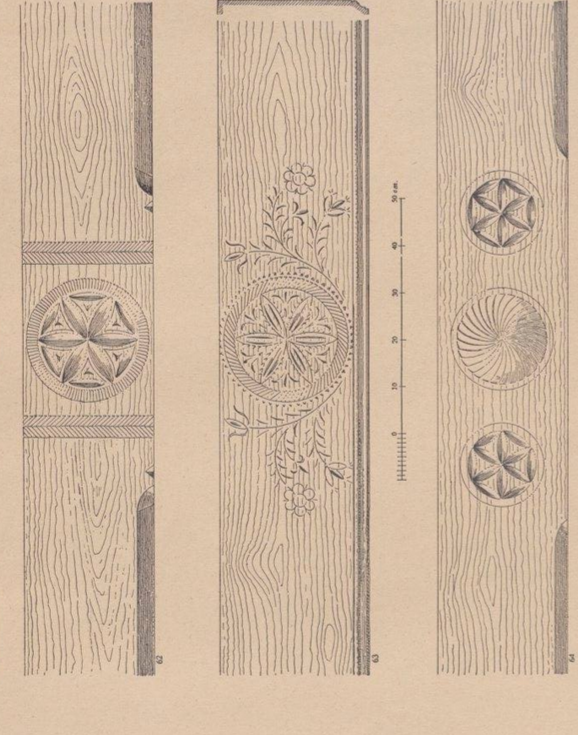
It’s a widespread symbol found across cultures—and even explored by Leonardo da Vinci himself.
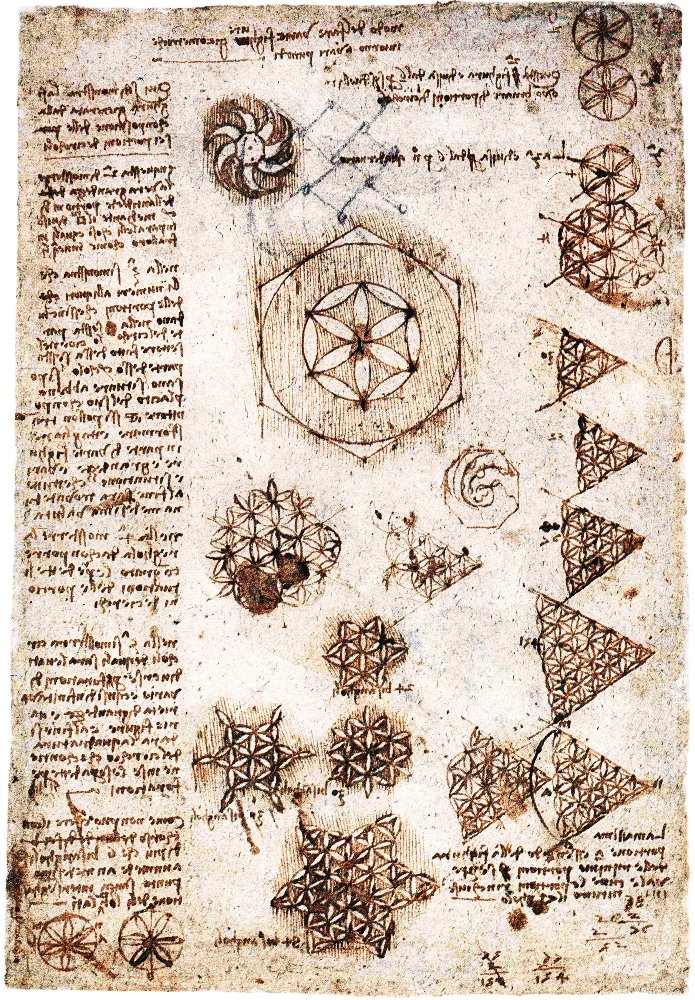
But as for it being directly tied to Perun? There’s no concrete evidence, at least as far as I know.