Pod niebiosa wychwalano piękno, inteligencję i silny charakter córki słowiańskiego władcy Burysława – Astrydy” – podkreśla historyk.(…) W ostatnim czasie za sprawą książki „Harda” autorstwa Elżbiety Cherezińskiej spopularyzowana została postać Świętosławy, czyli domniemanej córki Mieszka I, która wysoko wspięła się w hierarchii politycznej średniowiecznej Skandynawii. „Warto zaznaczyć, że w źródłach skandynawskich Sygryda Storråda – bo takie nosi imię – pochodzi ze szlacheckiej skandynawskiej rodziny. Ale wiele wskazuje, że postać ta była inspirowana między innymi pamięcią o historycznej Świętosławie.
“The legend of Gustebald, originating from the vicinity of Bartoszyce, tells the story of the Queen of the Prussians who one day saved the life of the Fish King. In return, she received a magical stone that allowed her to understand the language of animals, plants, and wind. The condition was that she must never show the stone to anyone. One day, the Wind brought news of the approaching Teutonic Knights, but nobody believed Gustebald. In response, the princess showed the stone to the unbelievers, and at that moment, she herself was turned into stone.”
And You can see Gustebalda turned into stone in Bartoszyce, too.
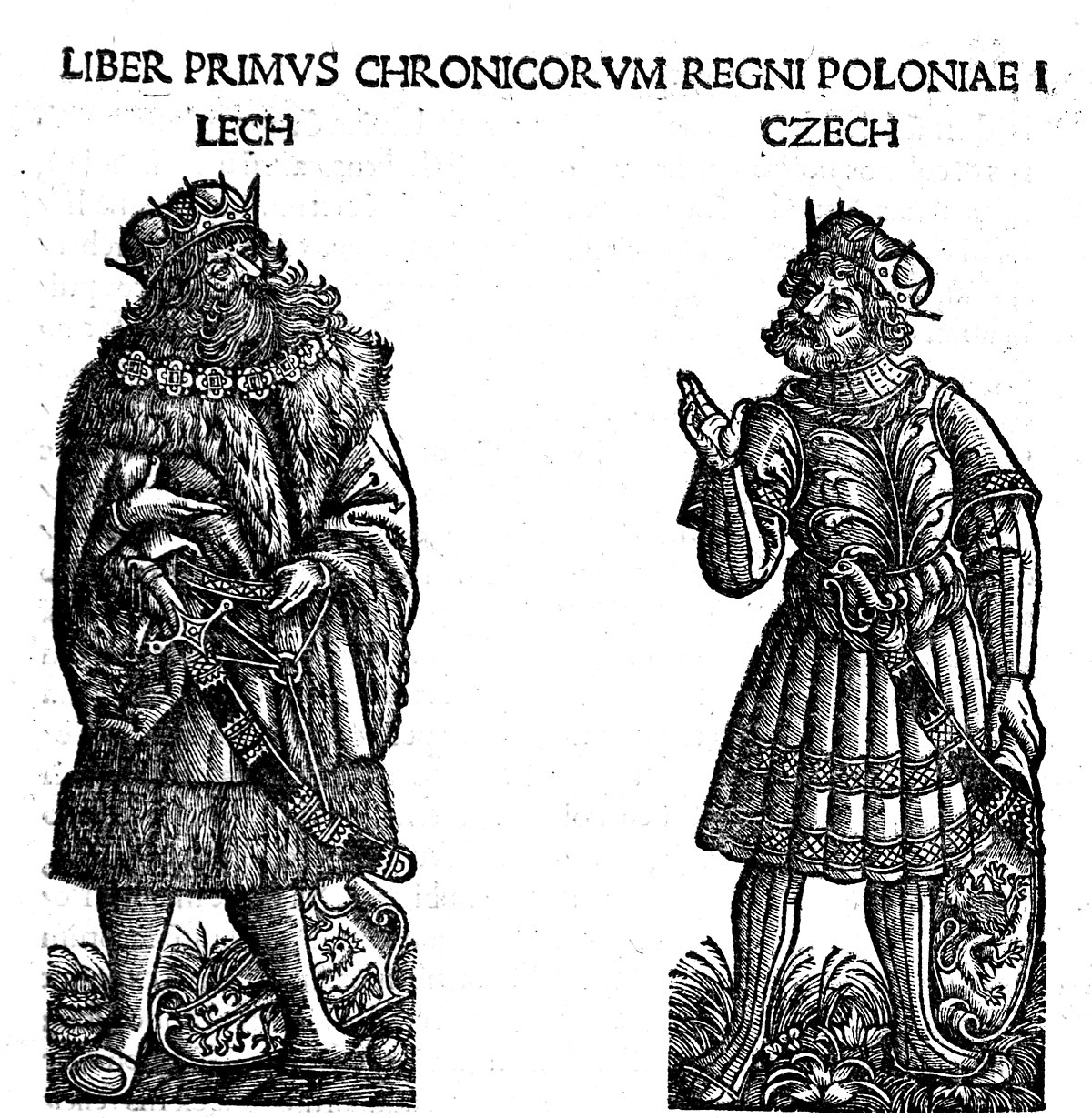
Lech, Czech & Rus
These are supposed to be three brothers (like in Harry Potter),who started Poland, Czechia and Russia: Lech, Czech and Rus. They are mentioned A LOT first thing in primary school, and then never again…They appear for the first time in 1222 chronicle, and Armenians or Ukrainians have their own version of the story. Funnily enough Poland is named Lechistan for example by Turks and Persians and there is no official king named Lech in recorder history.
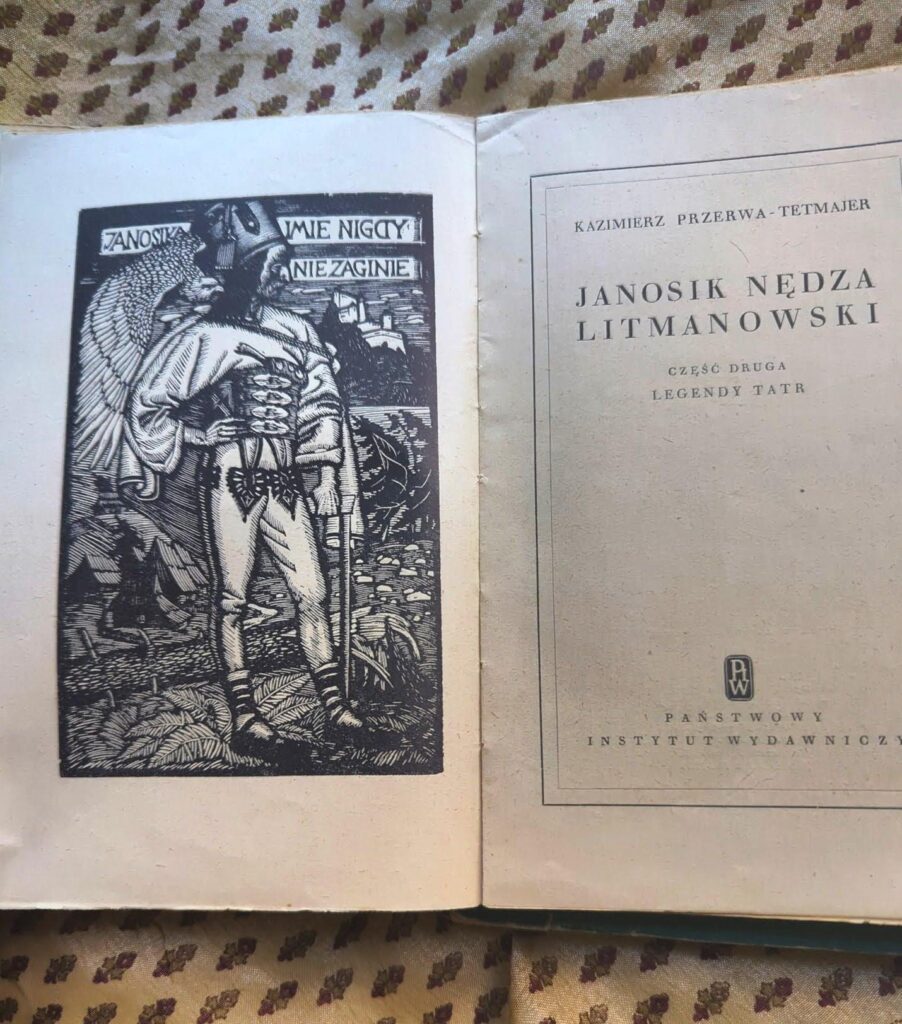
Janosik
“Herszt of the gang” refers to a robber with extraordinary strength and supernatural abilities, whose distinguishing feature is that he distributes the stolen goods to the poor. This character appears in Slovak folklore, as well as in songs and local legends (such as the ballad “Janosik”) in southern Poland, mainly in Podhale, the Beskids, Silesia, Spisz, and the vicinity of Krakow. Its prototype was the authentic Slovak outlaw Juraj Jánošák, who was tried and executed in Liptovský Mikuláš on March 18, 1713.
Source: Polish Folklore Dictionary edited by Violetta Wróblewska.
Kościej
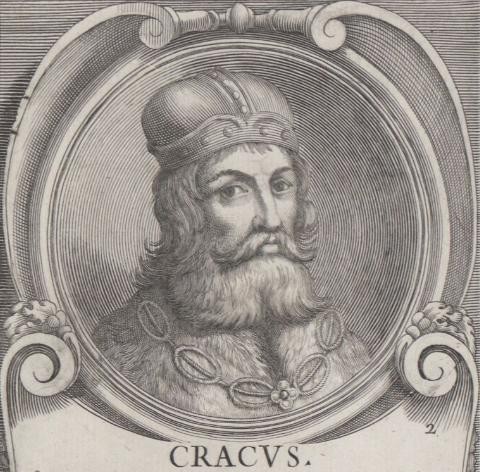
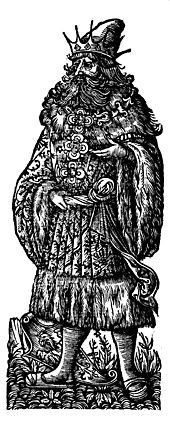
Krak
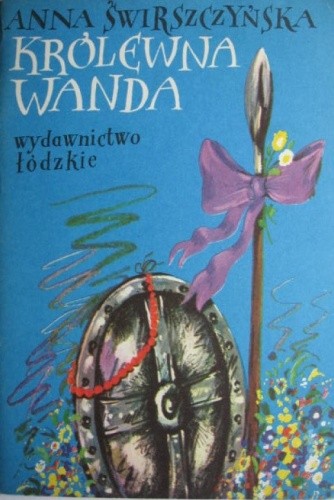
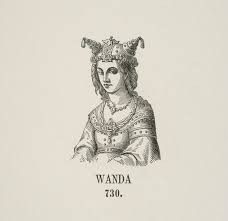
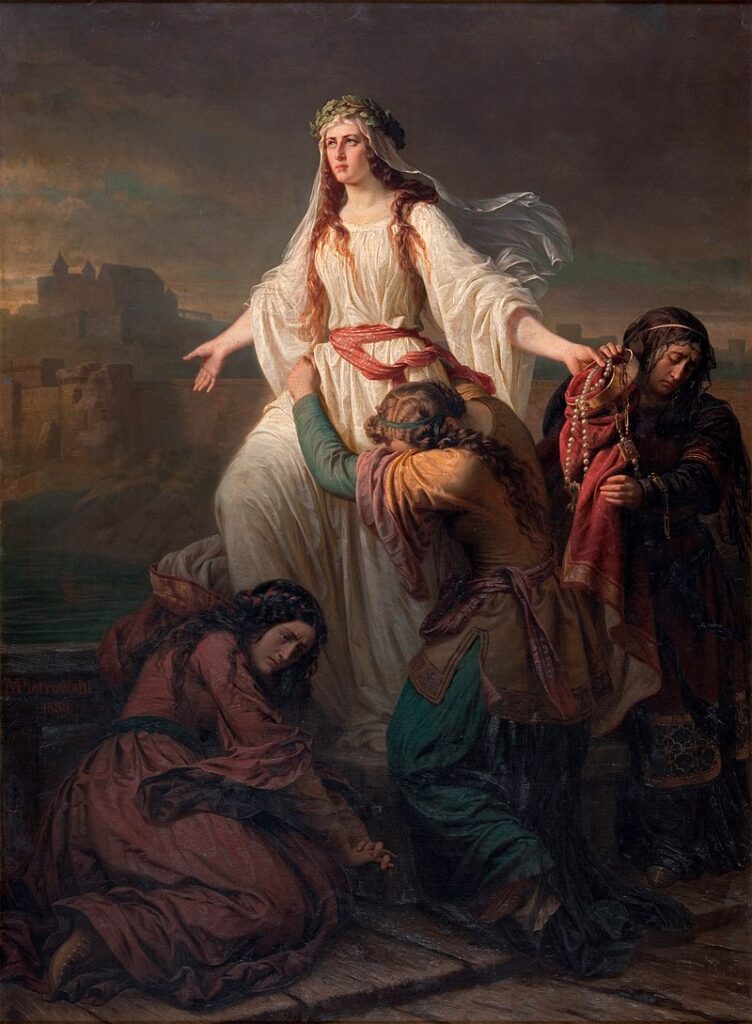
A rarely mentioned mythical ruler in Polish folklore, from whom the name of the city of Kraków is said to derive (Krakus, Gracchus). The city is believed to have been founded by Krakus himself or named in his honor. He gained fame as a valiant leader, engaging in victorious battles against the Gauls, which eventually led to his ascent to the princely throne (Samsonowicz 1964, p. 506). According to chronicle accounts, he was the father of two sons – Krak II and Lech II – and a daughter named Wanda. Wanda became the protagonist of a legend, known in at least three versions (Römer 1872, p. 13), with the most popular one suggesting that she rejected the courtship of a German prince and threw herself into the depths of the Vandal (Vistula) waters. The earliest mentions of Krakus come from the medieval chronicle of Wincenty Kadłubek (12th/13th century).
Source: Polish Folklore Dictionary edited by Violetta Wróblewska.
Popiel – King eaten by mice
Another figure talked about constantly in like first year of primary school and never again.
The character of the mythical ruler of the Polans/Goplans, who likely reigned in the 9th century in Gniezno, is known for his sinful deeds. At the instigation of his wife, he poisoned his uncles and refused to bury their bodies. As a consequence, he was said to have been devoured by mice. This event is commemorated to this day by the so-called Mysia Tower near Gopło, near Kruszwica, where the cruel king attempted to hide from the rodents.
The tale of King Popiel, similar to that of Piast, the Wawel Dragon, or Krak, has otherworldly origins and was already recorded in medieval chronicles, including those of Gallus Anonymous (11th/12th century) and Wincenty Kadłubek (12th/13th century).
Source: Polish Folklore Dictionary edited by Violetta Wróblewska.
Piast
The legendary progenitor of the Piast dynasty, depicted by some medieval chroniclers as the ruler of the Polans. In popular imagination, he is primarily known as Piast Kołodziej, a commoner, husband of Rzepicha (Rzepka; Gieysztor 1970, p. 70), and father of Siemowit (Ziemowit).
It is said that divine messengers appeared at Siemowit’s haircut ceremony and, in gratitude for their hospitality, performed the miracle of multiplying food. The character of Piast is very rarely found in Polish folklore, mainly in texts borrowed from chronicles, suggesting a non-human origin of the motif.
In the past, research has been conducted on Piast’s lineage (Biernacki 1965a, pp. 298-300; 1965b, pp. 35-46) as well as the origin of his name, which has been derived from various sources, such as the name of a wheel hub, piasta, or from the word “pieścić” meaning “to hold” or “to wield power,” as well as from the diminutive form of the name Pieścisław (Matusiak 1902, p. 401; Banaszkiewicz 1986, pp. 7-9). The first mention of Piast occurs in the Chronicle of Gallus Anonymous (12th century).
Słownik Polska Bajka Ludowa pod red. Violetty Wróblewskiej
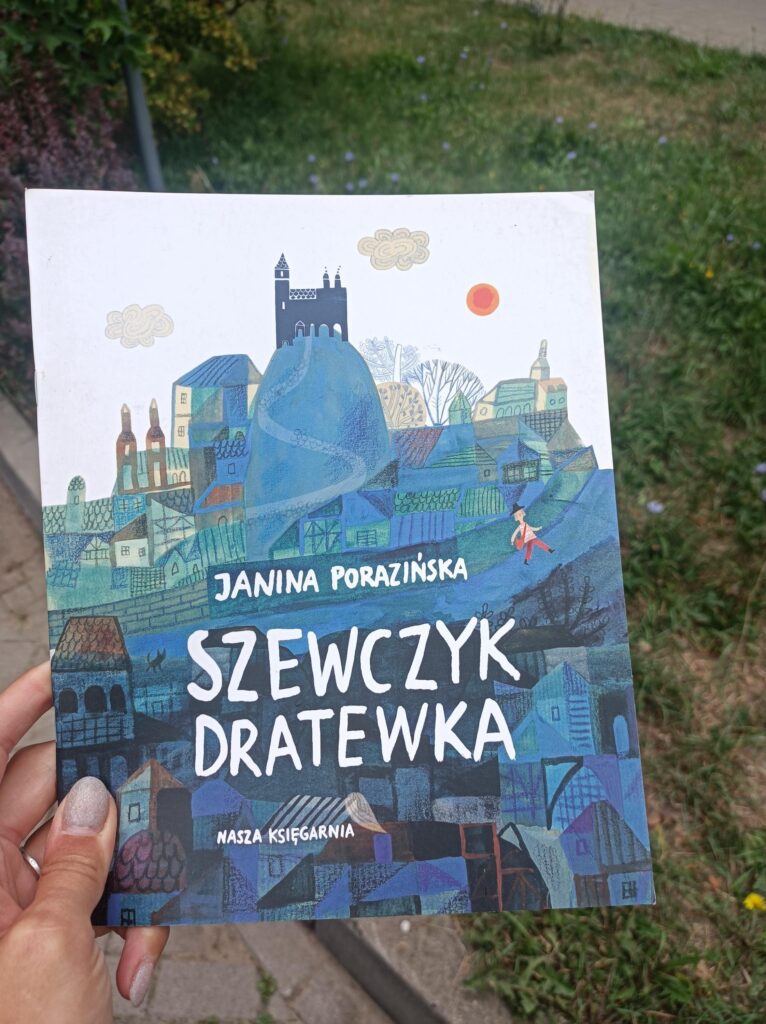
Szewczyk Dratewka
The hero of literary fairy tales with folk origins. In oral versions, this character is unnamed and is a shoemaker who defeats a dragon and rescues a captive maiden (princess). There are strong similarities to two texts recorded by Kolberg under the same title – “O szewczyku” (About the Shoemaker), included in the volumes of “Ludu – Lubelskie.”
Słownik Polska Bajka Ludowa pod red. Violetty Wróblewskiej
Pan Twardowski
Twardowski is a character originally found in noble and bourgeois folklore, later also appearing in folk traditions, often through contamination with various elements of local legends, tales of sorcerers, or stories of tricking the devil (Kolberg 1976 (1871), pp. 20-21), as well as various versions of the “Madejowe łoże” legend (T 756).
Get Embed Code
This character exists simultaneously in oral and written traditions. The oldest mentions of Twardowski come from Old Polish prints and manuscripts (such as Compendium Historiae Joachimi Posselii and the notes of King Sigismund III’s court physician), which provide information and stories that were most likely drawn from the contemporary oral traditions of the nobility.
słownik Polska Bajka Ludowa pod red. Violetty Wróblewskiej
From what i remember from chindhood he traveled to the moon…
Waleska
Waleska (Walaska, Valeska, Valaska, or Valiska) – the legendary founder of the city of Kłodzko, who was said to rule over the castle on Zamkowa Góra during pagan times. She had long, golden hair braided in a braid, was skilled in hunting, and was an expert archer. She was said to be able to break a horseshoe with her bare hands.
Wanda
Legends about Waleska date back to the 12th and 13th centuries when Wincenty Kadłubek’s chronicle was written. The author portrayed the story of Krak and his daughter but did not mention the princess taking her own life. He only mentioned her rejecting a German leader and the consequences of that rejection.