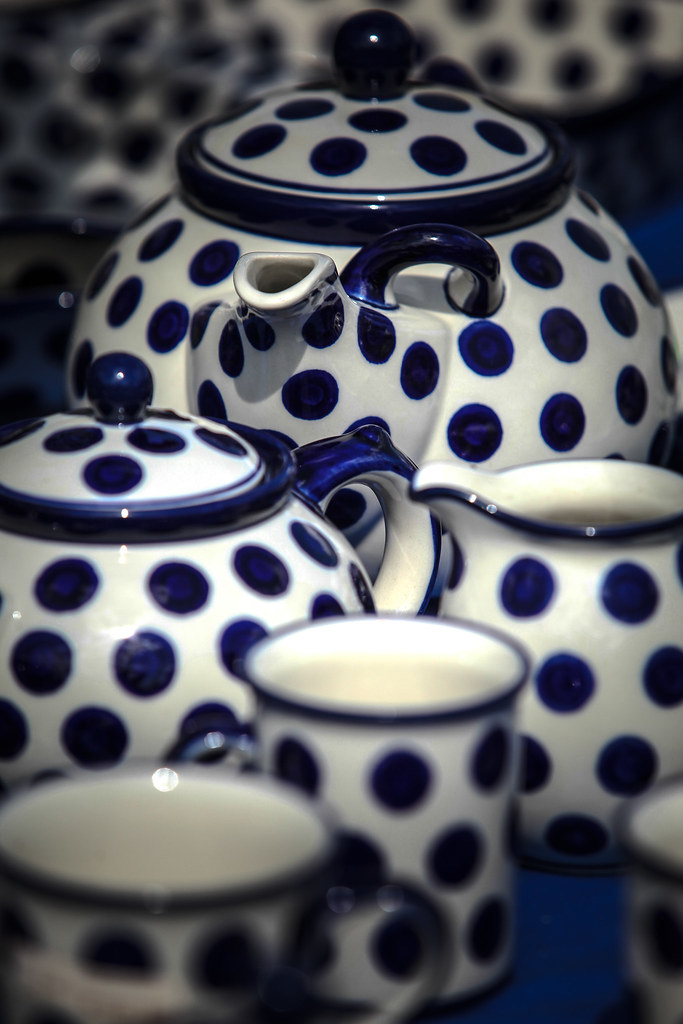
In the 12th century, deposits of ceramic clay were discovered in the Bóbr and Kwisa river basins near Bolesławiec. It was from this clay that magnificent pottery began to be produced (…) The oldest pottery workshop in Bolesławiec operated from the 16th to the mid-17th century, creating beautiful vessels, figurines, and tiled stoves, which were then covered with various types and colors of glazes, highlighting their significant artistic value.
By the 19th century, the city had more than 15 pottery workshops dedicated to crafting the exquisite and beautiful Bolesławiec ceramics. The method of decorating these items gained particular fame: distinctive patterns of branches, birds, flowers, and other graphic symbols were applied to the pottery by hand using special stamps.
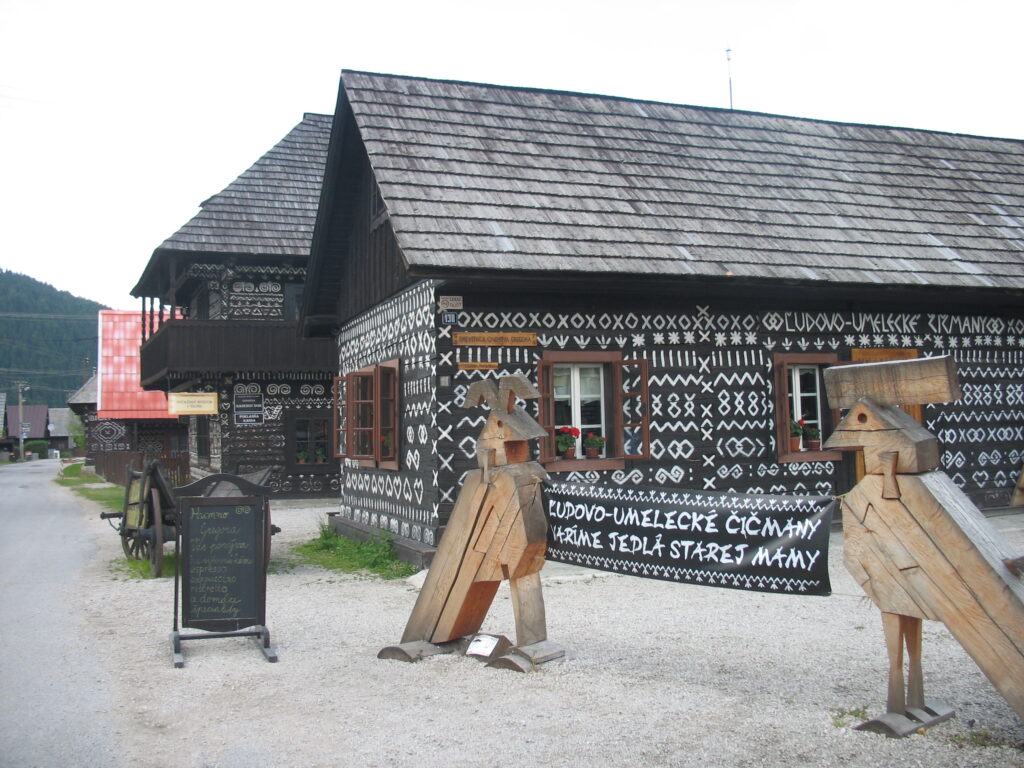
A village in Slovakia where corners of houses were once decorated with clay, later with lime, and in the 19th century, this practice expanded to a level whose remnants can still be admired today in the open-air museum est.ablished there
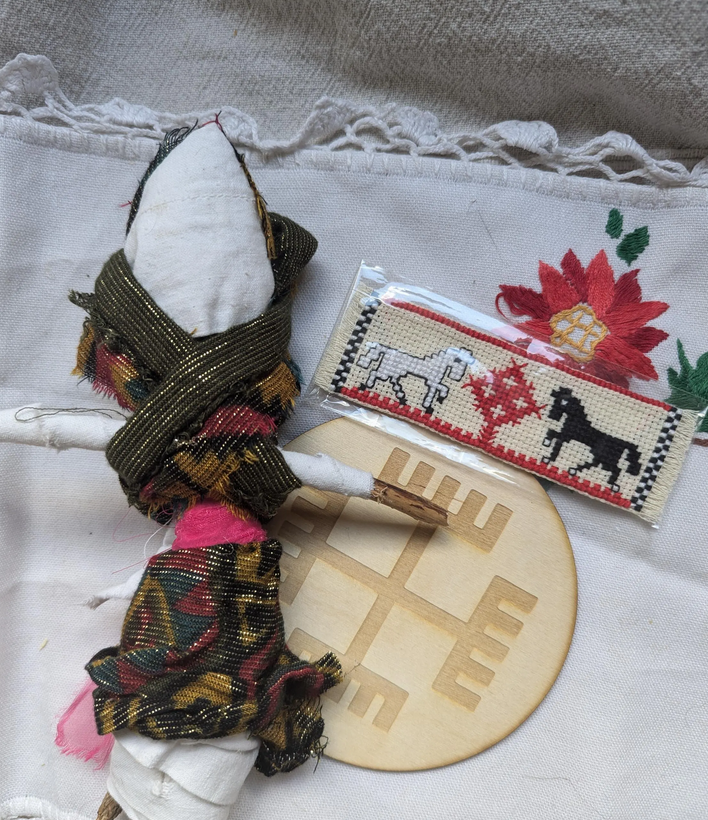
Motanki Dolls
I’ve seen various motanka dolls, from simple bundles of straw and string to very elegant ones, and it seems to me that they are primarily and originally dolls for magical rituals, amulets.
But they can also be given to a child or used as a room decoration. For years I thought to myself “well it’s not a Polish thing”, and then one day I realised we did Marzanna each Spring when I was a child 🙂
So far, I’ve made a few motanka dolls, and each one was different and had a different purpose. I don’t recognize them in those videos and photos I see on Facebook. In my opinion, this is one of those things that is better not to do unless you understand its meaning.
Positive and lucky symbols were quite important for our ancestors
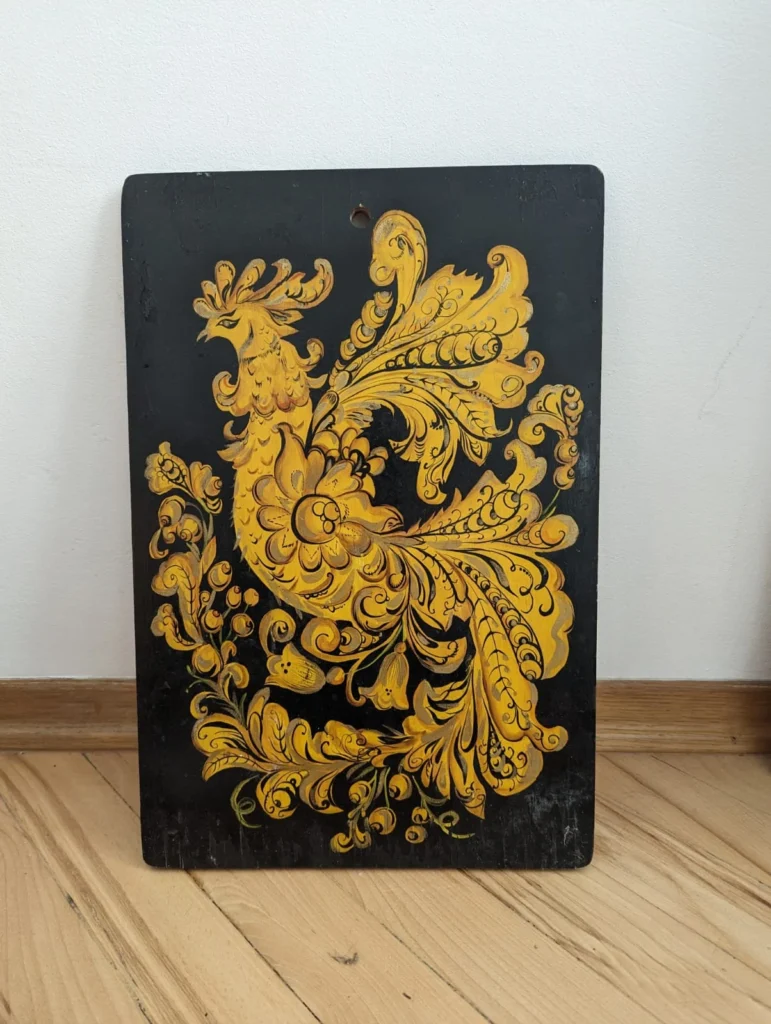
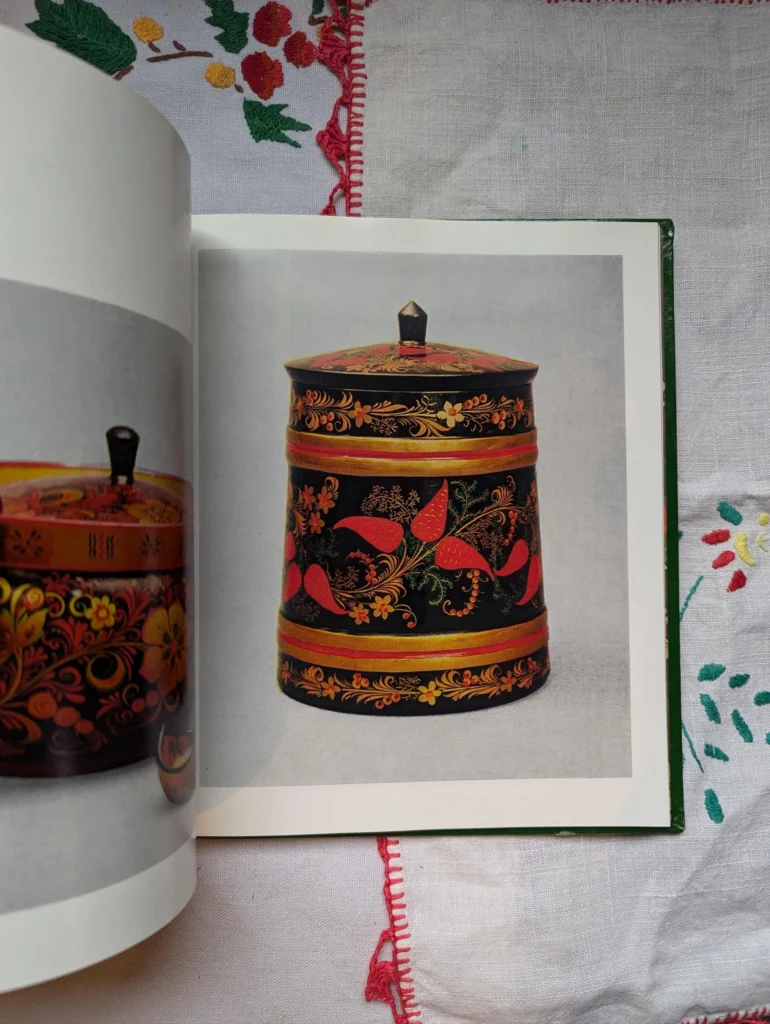
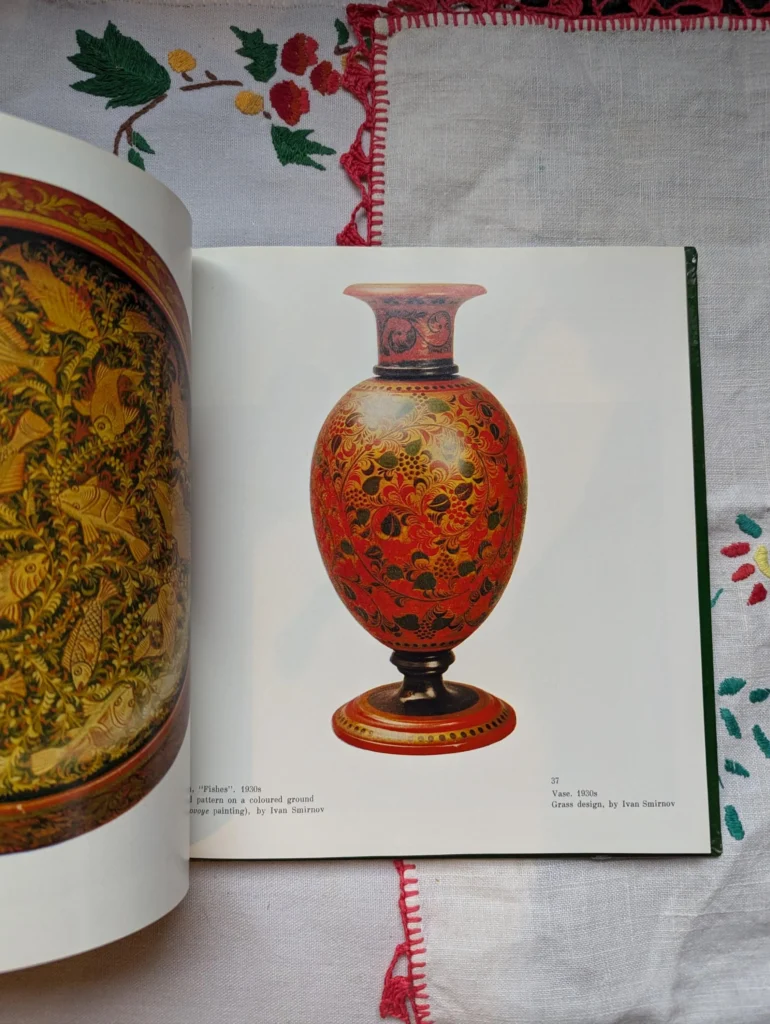
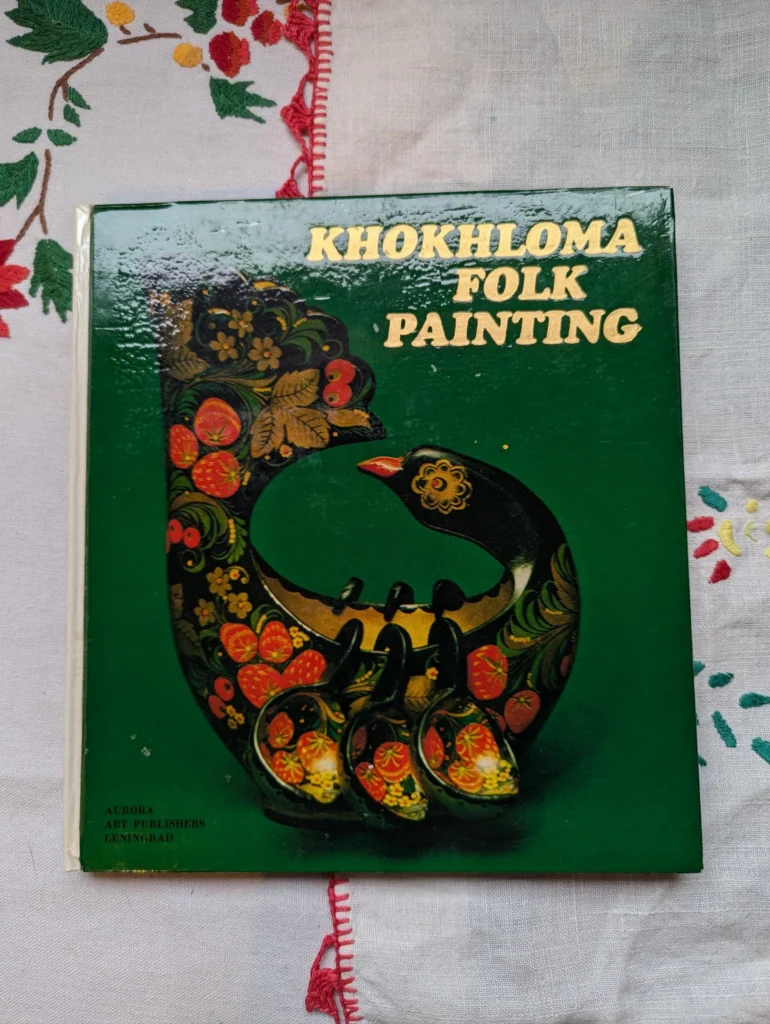
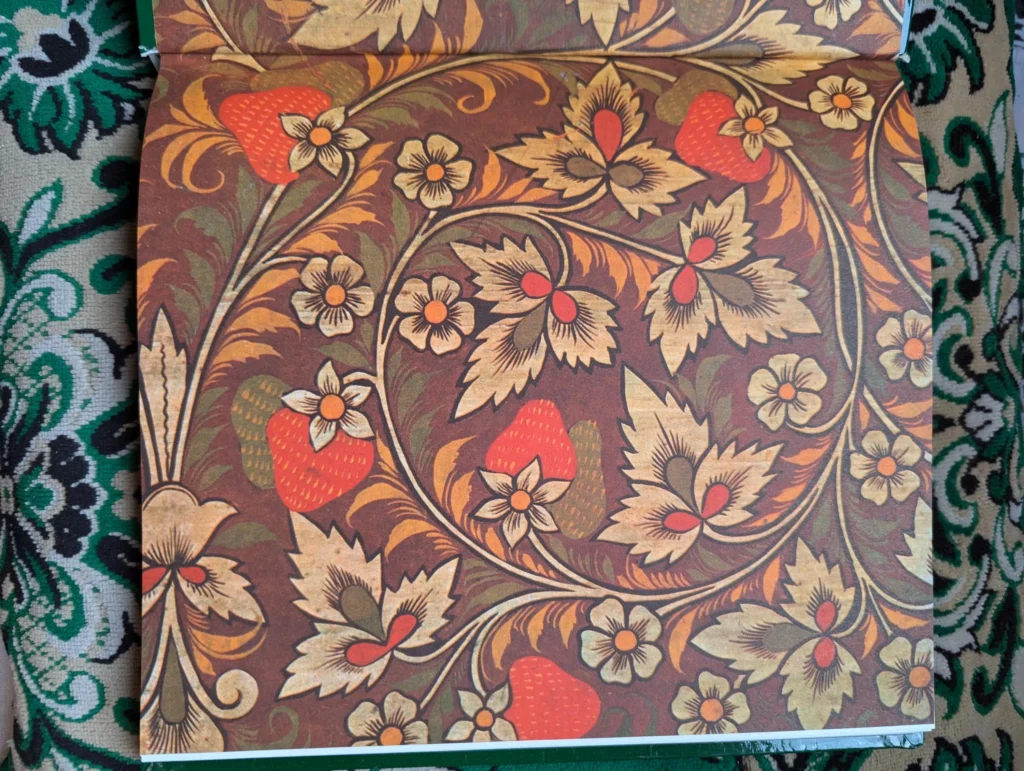
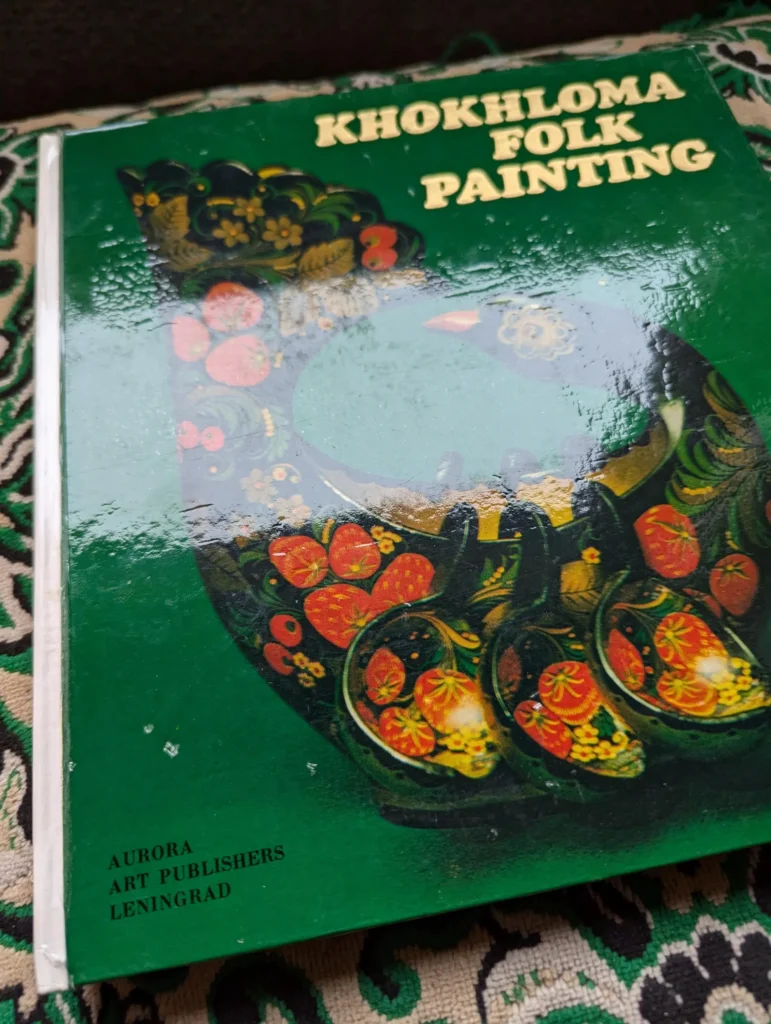
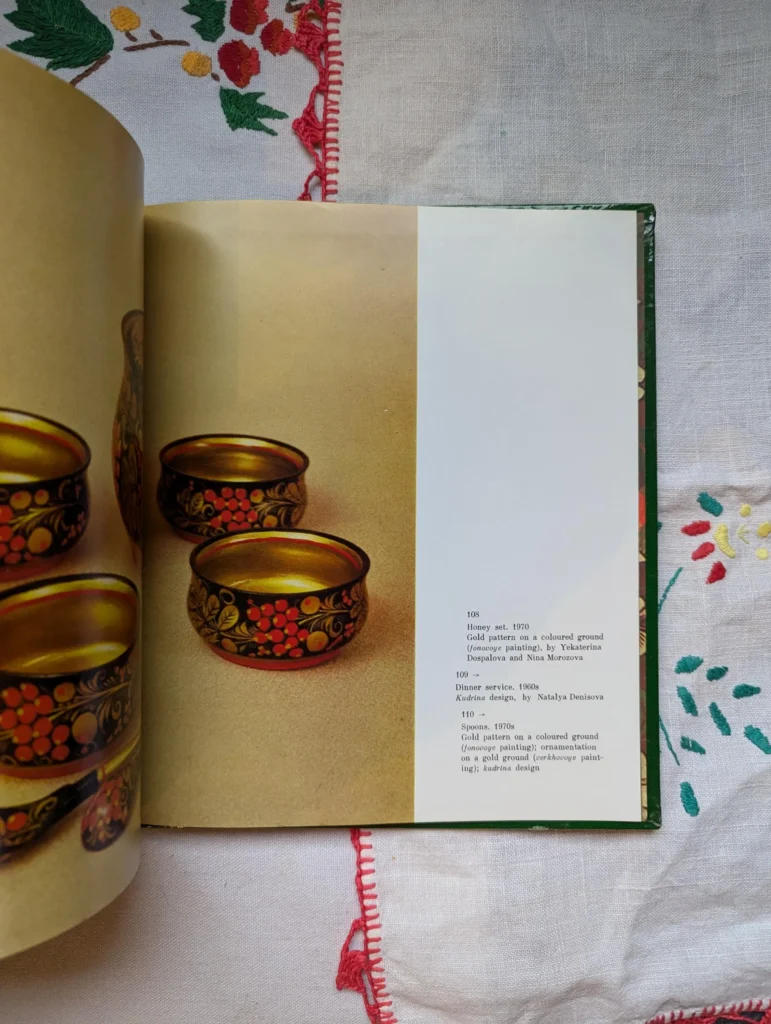
Kokhloma
Laquered handpainted objects from around the city of Kokhloma, Russia.
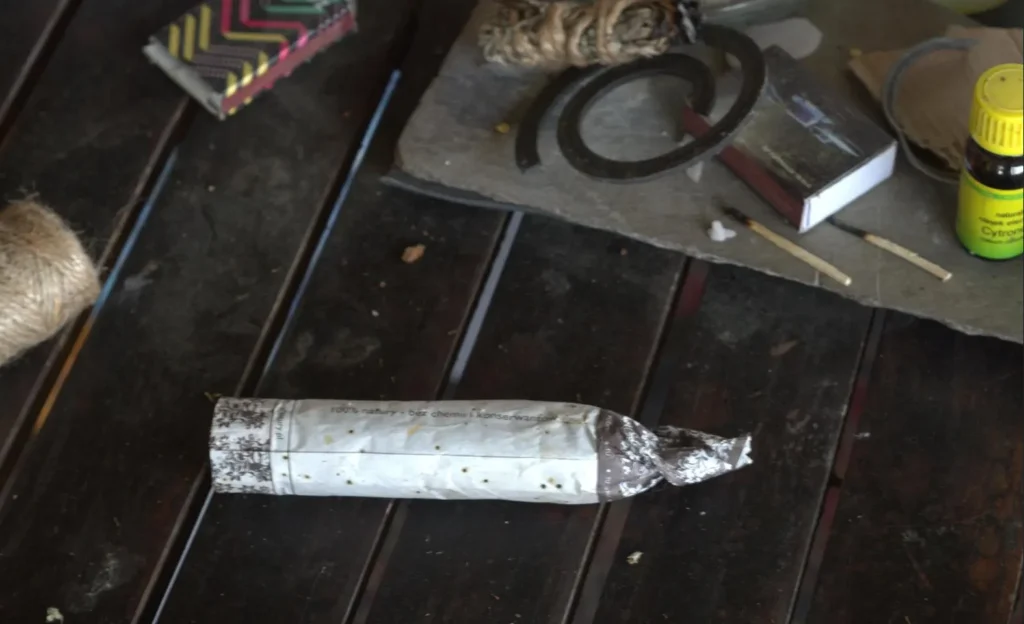
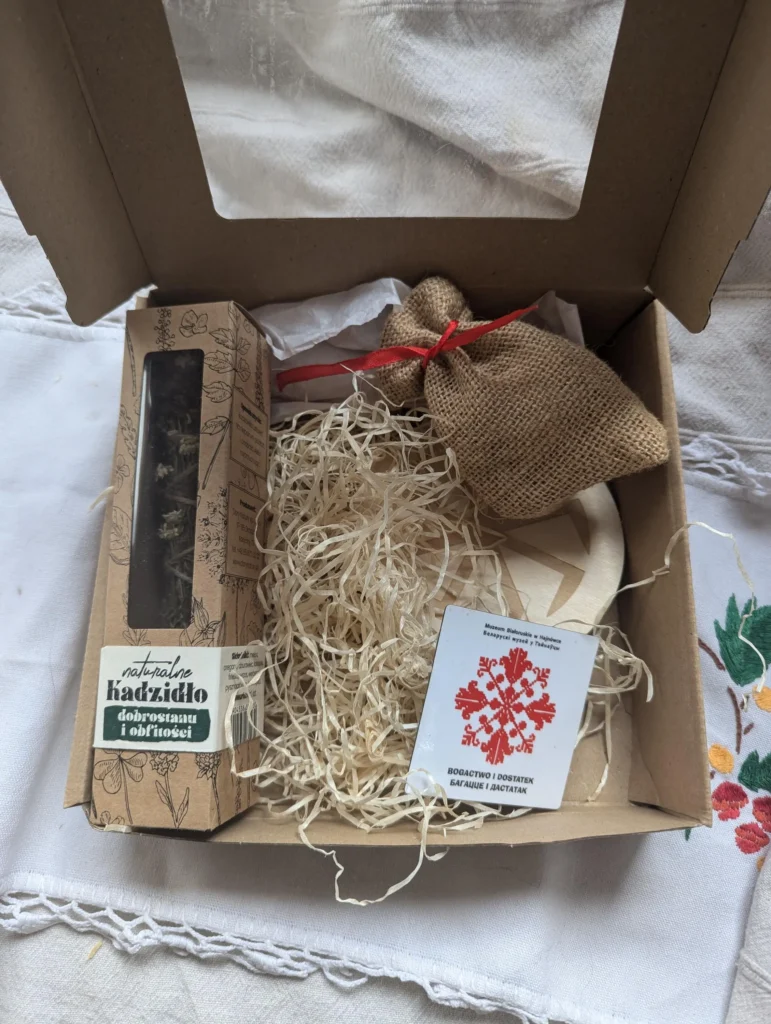
After reading tens of historical and etnographical books I know that they used specific branches, leaves and bundels of herb to freshen up home or “take out” illness from a home or a stable, so if we call that incense – yes they did.
In past certain items that were blessed in Church would be used for that, like for example a willow branch or a “palma wielkanocna” on Eastern:
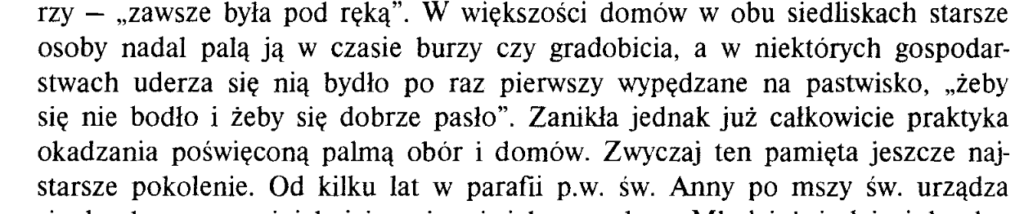
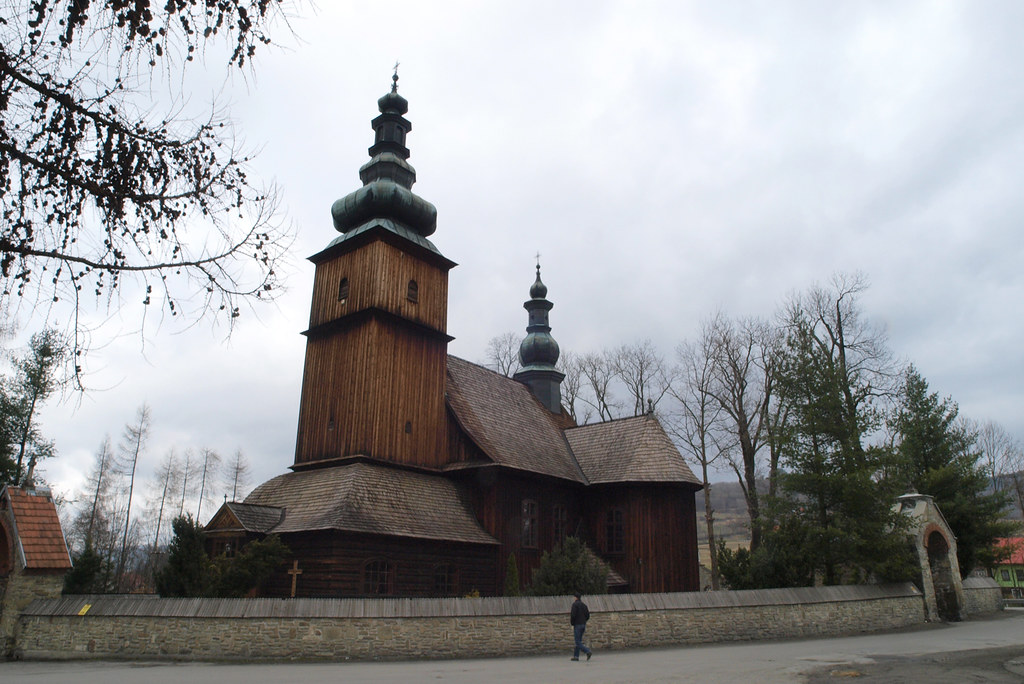
I was reading about something else today, and suddenly I realized that practically all traditionally shingled houses in Poland, Ukraine, and Slovakia are already standing; maybe one tavern or open-air museum is added each year, but at the same time, a hundred such cottages collapse.
Hardly anyone builds like this anymore, and even if they do, they’ll probably choose mass-produced panels from Castorama with a pattern imitating wooden shingles rather than an authentic product—which I wouldn’t even know where to buy or if anyone still makes it.
In my area, everyone covers their roofs with metal sheets because it’s cheaper, instead of traditional tiles. I write “tile” and already forget what tiles are made of because you see them so rarely. And it’s not like there’s a shortage of clay or wood in the world—there’s plenty… so I don’t know what’s going on.
I also don’t know what the oldest Slavic building with such a roof is… Some of the oldest churches in Poland have shingled roofs, built in years like 1586 or 1604.
Makatki
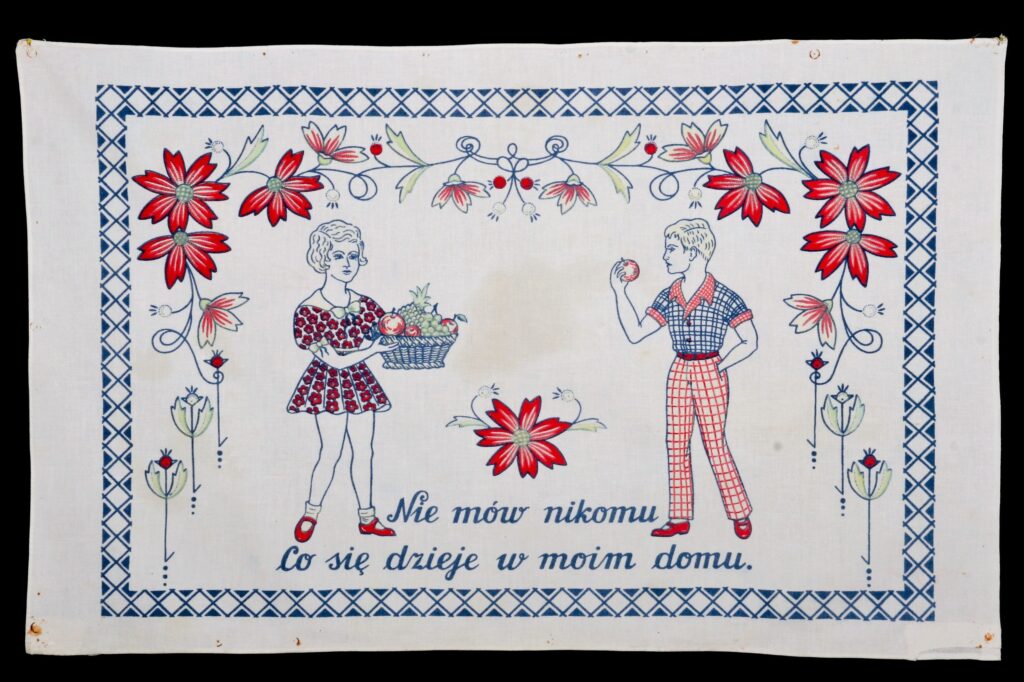
A Makatka from Etnographic Museum in Krakow, Poland, 1970s
As stated on a National Museum in Wroclaw website:
Researchers of traditional culture began studying the wall hanging (makatka) quite late—in the 1970s. There are several reasons why it was overlooked by folk culture scholars for so many years.
First, its mass-produced nature. Makatki were copied from various sources. Some theories suggest that the makatka can be considered one of the earliest manifestations of popular culture. Nearly identical makatki were created across Europe in different language versions.
a makatka that I got from a friend that got it from a lady from around Krakow area…
Their cosmopolitan nature stemmed in part from the standardization of aesthetic patterns, as well as from technological advancements that made it possible to replicate designs both on paper and fabric.
Folk “Spiders”
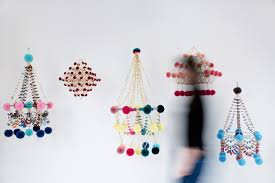
Recently, I went with a friend to a spider (pająk)-making workshop in Dobrowoda. They were supposed to be made of straw, but instead, they were made of crepe paper—but it was still fun.
Pająki appeared in various regions of Poland and can be made from different materials, such as straw, beans, or beets in the past, and nowadays also crepe paper.
Karolina Merska, who creates pająki in London, gives an interesting account of their origins in an interview for Zwierciadło magazine:
“In the past, it was believed that straw had magical properties, bringing prosperity and driving away evil spirits from the household. Remnants of these magical practices have been preserved in many rituals still practiced today, such as the drowning of Marzanna or placing hay under the Christmas Eve tablecloth.
Pająki were made from rye and hung above the table during Christmas and Easter celebrations. Initially, they were created for holidays, but later, they were also prepared for christenings, weddings, and other important ceremonies.
I once read in an old magazine about superstitions related to pająki. For example, if a bachelor visited a home where a young unmarried woman lived and the pająk started spinning to the left, it was considered a bad omen.
I believe it is incredibly important to remember these old beliefs associated with pająki.”
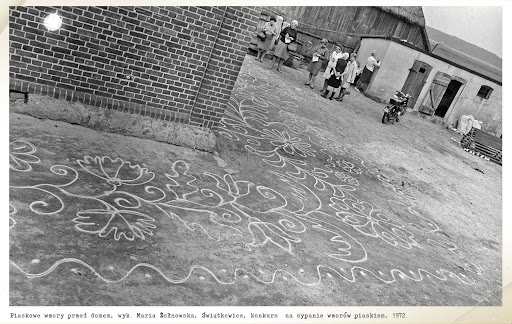
Making sand mandalas on the ground
In villages located near rivers, it was once common to decorate floors by sprinkling them with yellow sand.
“The custom of sprinkling sand patterns on the floor of a room or courtyard (…) is territorially linked to central Poland, specifically the left bank of the Vistula. (…) Sprinkling patterns before holidays—to give the room a festive appearance—was closely related to the ‘clay’ beaten floors.”
This tradition was also found in the Radom region, where geometric ornaments or plant motifs were popular, and sometimes even animal figures, such as roosters, appeared. Informants recall it from their family homes:
“Sand was only sprinkled in the room—patterns like circles and squares. The housewife did it.”
These efforts aimed to enhance the aesthetic appearance of the home. One woman put it simply:
“The floor in the hallway was sprinkled with sand to make it look nice.”
This custom faded into oblivion as beaten-earth floors were replaced with wooden planks.
— Muzeum Wsi Radomskiej, https://www.muzeum-radom.pl/gazeta-kufer/ozdobic-dom-na-wielkanoc/1301