Description
Every Polish child knows the story of
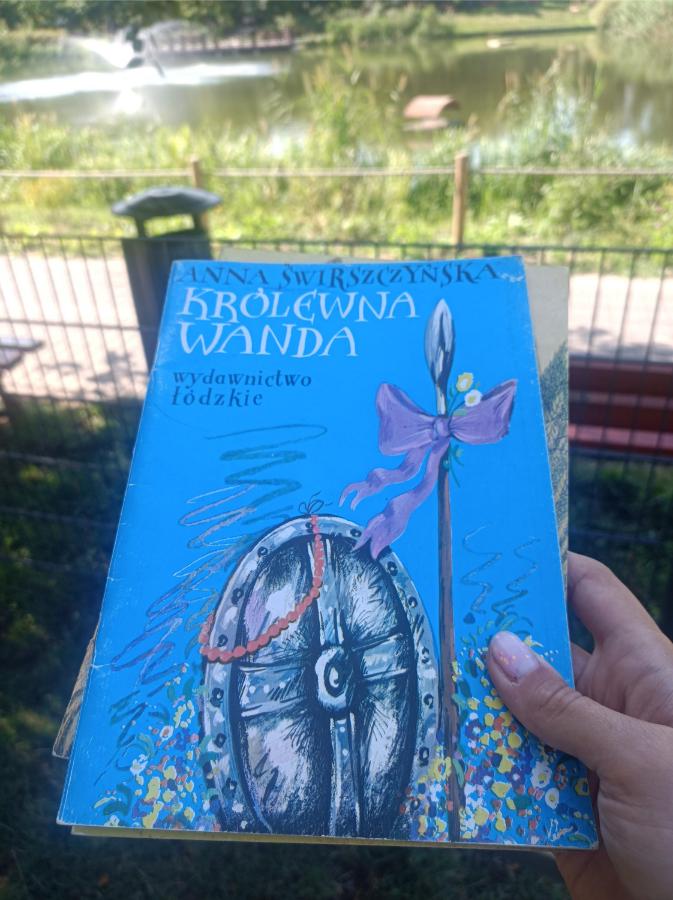
Queen Wanda, daughter of King Krak. She was loved by her people but refused to marry a German prince—so she drowned herself in the Vistula River.
The only problem? According to historians, Queen Wanda never existed. But since official Polish history begins in the 960s, there’s plenty of room before that for a legendary pagan queen.
<iframe src="https://assets.pinterest.com/ext/embed.html?id=715790934559030882" height="561" width="345" frameborder="0" scrolling="no" ></iframe>
There’s even a Wanda Mound in Kraków, next to King Krak’s hill, dating back at least to the 6th century. Archaeologists found the roots of a huge oak tree atop Krak’s hill—and oaks were sacred to the Slavs.
And there’s more. Quoting an interview with astronomer Prof. Władysław Góral:
“The sunrise over Wanda Mound can be observed from Krakus Mound on May 2 and August 10.
And the sunset over Krakus Mound? November 4 and February 6…
These dates divide the year into four roughly equal parts, and between them lie key astronomical events:
– March 20: spring equinox
– June 21: summer solstice
– September 22: autumn equinox
– December 21: winter solstice.”
Interestingly, the Czechs have a mythical ruler named
Krok, first mentioned by historian Cosmas in the 10th century. Krok was said to have three daughters who appear in another Czech myths. Historians have dated his death to 709. In Czech legends, Krok was a son of Czech—the legendary brother of Lech and Rus.


Reviews
There are no reviews yet.